Oregano Oil for Skin: Benefits, Risks, and How to Use It Safely
Oregano oil is one of the most potent essential oils you can use on your skin - and that potency is exactly why you need to handle it carefully. This guide covers everything from the science behind oregano's active compounds to step-by-step dilution charts, DIY recipes, and safety rules that protect your skin while letting you tap into this oil's antimicrobial and anti inflammatory power.
Key Takeaways
- Oregano essential oil (oil of oregano) is a highly concentrated antimicrobial ingredient that must always be diluted before it touches skin. Undiluted oregano oil can cause severe skin irritation or chemical burns, especially on the face and other sensitive areas.
- When properly diluted in carrier oils, oregano oil may help with curing acne, small fungal infections, minor wounds, and irritated or dry skin thanks to its carvacrol and thymol content.
- Sensitive users, pregnant or breastfeeding women, and young children should stick to very low dilutions or avoid oregano oil entirely.
- Wild Mediterranean Oil of Oregano (Origanum minutiflorum from Turkey, ~75–80 % carvacrol) is pre-diluted 50 % in MCT oil but still needs further dilution for facial and body use.
- Below you will find step-by-step usage guides, dilution charts, DIY recipes, and a full FAQ, plus a closing invitation to explore Wild Mediterranean Oil of Oregano for skin support.
Oregano Oil and Your Skin: Fast Answers Before You Try It
Is oregano oil good for skin? The short answer is yes - with conditions. Oregano essential oil has strong antimicrobial, anti inflammatory, and antioxidant properties that can benefit blemishes, fungal infections, and minor cuts, but only when diluted properly in a carrier oil. It is not a gentle, all-over moisturizer. Think of it as a targeted tool, not a daily face oil.
The oregano plant produces an essential oil that is very different from the dried herb you sprinkle on pizza. Pure oregano essential oil is steam-distilled and extremely potent. Pre-diluted products like Wild Mediterranean Oil of Oregano (essential oil already blended 50 % with MCT) sit somewhere in between - strong enough to be effective, mild enough to measure safely, and can be paired with other botanicals such as black seed oil for broader wellness support.
Who might benefit:
- Blemish-prone skin with occasional breakouts
- Small fungal patches on feet, trunk, or nails
- Minor cuts, bug bites, or razor nicks
Who should be cautious:
- Very sensitive skin, rosacea, or eczema
- Pregnant or breastfeeding women
- Children under 12
What Is Oregano Essential Oil? (And How It Differs from Oil of Oregano)
Oregano essential oil is a steam-distilled extract from Origanum species. It arrives in small dark bottles as a 100 % pure, highly concentrated liquid - not the same thing as dried oregano spice or a culinary herb-infused olive oil.
The terminology can be confusing, so here is a quick breakdown:
| Product | What it is | Typical use |
|---|---|---|
| Pure oregano essential oil | 100 % EO in a tiny bottle | Aromatherapy, topical (must dilute) |
| Oil of oregano supplements | EO diluted in olive oil or MCT for oral use | Immune and digestive support |
| Pre-diluted topical blends | EO mixed with carrier oil at a set ratio | Skin spot treatments |
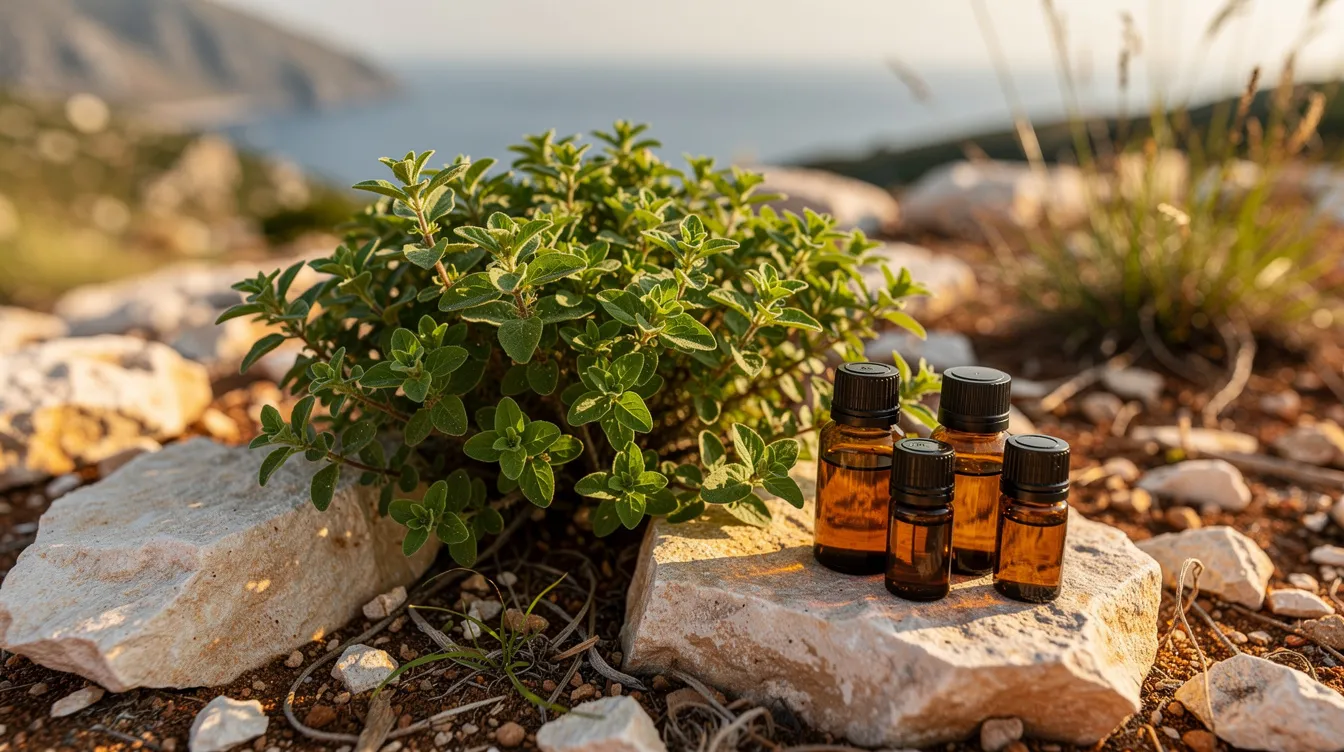
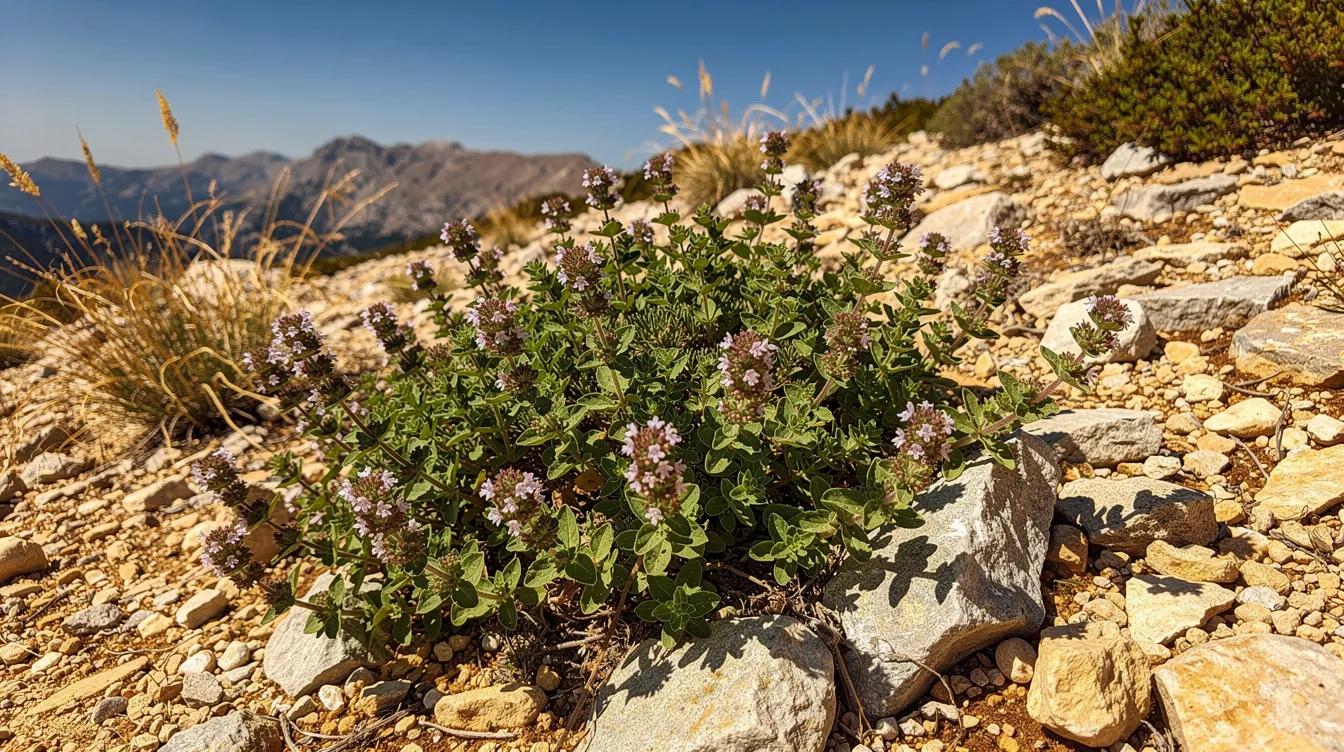
Wild Mediterranean Oil of Oregano is a specific product: wild-harvested Origanum minutiflorum from Turkey, steam-distilled, then pre-blended 50 % with MCT oil. It has been available since 1993 and contains about 75–80 % carvacrol in the oregano oil portion. You can learn more about its full health benefits and why it is considered a top rated oregano oil for overall wellness on the brand's website.
Even at 50 % essential oil, this blend is still very strong for skin. You must further dilute it in carrier oils such as jojoba oil, sweet almond, or coconut oil before topical application. Throughout this article, "drops" refers to standard essential oil dropper drops (~0.05 mL each), and dilution percentages refer to the final essential oil concentration in your carrier.
How Oregano Oil Works on Skin: Key Active Compounds
Oregano's skin effects come from its chemical composition, not folklore. Here are the active compounds that matter:
- Carvacrol - the dominant compound in Wild Mediterranean Oil of Oregano. It drives antimicrobial activity, disrupts bacterial and fungal membranes, and decreases levels of inflammatory cytokines in skin cells.
- Thymol - supports antifungal, antibacterial, and antioxidant effects. Usually a minor component in O. minutiflorum (under 5 %) but still contributes meaningfully to biological activity.
- Other constituents - p-cymene, γ-terpinene, flavonoids, and phenolic acids like rosmarinic acid round out the profile with antioxidant and soothing roles. Oregano oil contains antioxidants like rosmarinic acid and flavonoids that further protect skin from environmental damage.
How these molecules work on skin:
- They disrupt bacterial and fungal cell membranes by increasing membrane permeability, causing leakage and cell death.
- They reduce inflammatory processes in skin by lowering pro-inflammatory signaling.
- They neutralize free radicals that accelerate the aging process, reducing oxidative stress on collagen and elastin.
Carvacrol and thymol are the key compounds responsible for oregano's antimicrobial activity, and they have been widely studied in lab and animal models. Comprehensive reviews of therapeutic applications of carvacrol and oregano oil highlight broad antimicrobial and anti inflammatory potential, but further studies with full-scale human clinical data are still limited.

Antimicrobial Properties: Why Oregano Oil Targets Acne and Fungal Infections
The term antimicrobial properties covers antibacterial, antifungal, and some antiviral actions. Oregano essential oil is one of the strongest natural antimicrobials available, and its antimicrobial activity has been tested against a wide range of skin-relevant pathogens, as well as internal concerns such as parasites targeted by oil of oregano.
Bacteria that oregano oil targets in lab studies:
- Acne-related bacteria: oregano oil inhibits Staphylococcus aureus with MIC values as low as 0.015 mg/mL. One in vitro study found MIC values of ~0.34 mg/mL against Cutibacterium acnes and ~0.67 mg/mL against S. epidermidis.
- Oregano oil shows significant activity against Pseudomonas aeruginosa with MIC values of 0.125 mg/mL.
- Oregano essential oil can kill multidrug-resistant bacteria in laboratory tests, including strains that resist conventional antibiotics.
Fungal pathogens:
- Oregano oil has antifungal properties effective against minor skin infections including Candida species and dermatophytes (ringworm-type fungi). For more on this, see how oregano oil targets Candida.
How it works at the cellular level:
Carvacrol and thymol increase microbial membrane permeability, causing leakage of ions and collapse of the cell's energy systems. Oregano oil also inhibits biofilm formation at concentrations below 0.01 %, which matters because biofilms are the sticky microbial colonies that make bacterial infections and breakouts more persistent.
Antimicrobial strength is a double-edged sword: effective against problem areas, but harsh on healthy skin if not diluted. This is why oregano oil is classified as a "hot oil" due to its potential for causing irritation.
For a deeper look at what bacteria oregano oil can target, read What Bacteria Does Oregano Oil Kill?
Anti-Inflammatory and Antioxidant Benefits for Irritated or Aging Skin
Skin redness, persistent itch, and early wrinkles share a common driver: chronic inflammation and oxidative stress. Oregano oil addresses both through its active compounds.
Anti inflammatory effects:
- Carvacrol in oregano oil decreases levels of inflammatory cytokines such as TNF-α and IL-6. Oregano oil reduces redness and swelling in irritated skin by suppressing these signaling molecules.
- Research on O. minutiflorum essential oil at 100 µg/mL found COX-1 inhibition of roughly 55 % and COX-2 inhibition of about 33 %, demonstrating meaningful anti inflammatory effects.
- Oregano oil inhibits inflammatory pathways in skin conditions like eczema and its anti-inflammatory effects help soothe conditions like psoriasis, though professional guidance is essential for these conditions.
- Oregano oil promotes healing by enhancing circulation to inflamed areas.
Antioxidant properties:
- Thymol and carvacrol in oregano oil exhibit antioxidant activity that helps protect collagen and elastin from breakdown. Oregano essential oil has an IC50 value of 0.44 mg/mL for antioxidant activity.
- Oregano oil's antioxidant properties help reduce oxidative stress on skin cells exposed to UV and pollution.
- In lab studies, oregano oil inhibited collagenase by approximately 92 % at 67 µg/mL, suggesting it may help slow certain aspects of the aging process.
- Oregano oil can neutralize free radicals, reducing skin irritation and cumulative environmental damage. Its anti inflammatory and antioxidant profile is also why some people use it internally to support respiratory health and seasonal allergy relief.
What this might mean for your skin: calmer, less inflamed blemishes; soothed irritation around shaving nicks or bug bites; and potentially slower visible aging when combined with sunscreen and a balanced skincare routine.
Oregano oil is not a moisturizer by itself. It supports skin barrier health when blended with nourishing carrier oils, but should never replace a proper moisturizer.
People with chronic inflammatory skin diseases (eczema, psoriasis, rosacea) should speak to a dermatologist before experimenting with oregano oil topically.
Oregano Oil for Acne and Blemish-Prone Skin
Blemishes form when excess oil, dead skin cells, and microbes get trapped in pores, triggering inflammation. Oregano oil attacks this cycle from multiple angles.
Why oregano oil may help acne:
- Carvacrol and thymol in oregano oil fight acne-causing bacteria, including C. acnes and S. aureus.
- Oregano oil can reduce inflammation associated with acne, calming the redness and swelling around acne lesions.
- Oregano oil can inhibit biofilm formation by acne-causing bacteria, making breakouts easier to resolve.
- Oregano oil can help fade hyperpigmentation and blemishes over time with consistent, gentle use.
A randomized trial with 30 subjects compared a cream containing 0.1 % Origanum vulgare essential oil (plus myrtle oil and tretinoin) against clindamycin 1 % plus tretinoin. After 30 days, the essential oil blend improved acne lesions and caused less redness than the antibiotic group.
How to use it: Oregano oil can be used as a spot treatment for acne - apply diluted oregano oil with a cotton swab to individual blemishes, not as an all-over face oil. Use oregano oil topically only in very light carriers.
The best carrier oils for blemish-prone skin include jojoba oil, grapeseed oil, and fractionated coconut oil. Heavy oils like olive oil may worsen clogged pores on acne-prone faces.
Consistency matters. Pair your oregano spot treatment with a non-stripping cleanser, a non-comedogenic moisturizer, and daily sun protection for the best results in your skincare routine.
Supporting Dry Skin, Chapped Areas, and Barrier Repair
Dry skin often has a weakened skin barrier, micro-cracks, and low-grade inflammation that microbes can exploit. While oregano oil itself is not inherently hydrating, it supports dry or chapped skin in two ways and can even be adapted for non-human skin concerns, such as natural flea repellent formulations for pets:
- Its anti inflammatory and antimicrobial properties calm irritated dry patches and help prevent secondary skin infections.
- Oregano oil acts as a natural moisturizer for dry skin when blended into a rich carrier oil or balm - the carrier restores moisture, while oregano contributes protective biological activity.
Examples of use:
- A diluted oregano blemish-balm for flaky areas around the nose
- A very low-dose blend for rough heels or elbows where fungal and bacterial growth may occur
For dry or reactive skin, use lower dilutions, space applications further apart, and always follow with a gentle, fragrance-free moisturizer if treating the face. Oregano oil can enhance skin texture and promote a radiant complexion when used consistently at safe concentrations.
Severely cracked, bleeding, or eczematous skin - broken skin - should not be treated with oregano oil at home without professional advice.
Using Oregano Oil for Minor Fungal Infections and Flaky Patches
Common superficial fungal issues where oregano oil is often considered include athlete's foot, small ringworm spots, flaky circular patches on the trunk or feet, and mild toenail edge discoloration (see oregano oil for toenail fungus for a deeper guide).
Oregano oil extract demonstrates antifungal activity against dermatophytes and Candida in lab studies. Carvacrol and thymol disrupt fungal membranes and biofilms, and oregano oil has shown effectiveness against yeast infections in multiple in vitro studies, while oral use for digestive issues like acid reflux requires extra caution and medical guidance.
Usage guidance for fungal patches:
- Always dilute oregano essential oil heavily in a carrier oil like fractionated coconut oil or jojoba oil.
- Apply a thin layer to the affected area one to two times daily after washing and drying the area thoroughly.
- Avoid eyes, genitals, mucous membranes, and large surface areas.
Persistent, spreading, or very itchy rashes need medical evaluation. Oregano oil should not replace prescription antifungals when those are indicated. Combine oregano blends with good hygiene practices: breathable socks, rotating shoes, and keeping affected areas dry. Research even explores oregano oil beyond the skin, such as its potential as a natural mosquito larvicide for vector control.
Wound Care, Bug Bites, and Everyday Skin Mishaps
The use of oregano oil for wound healing is still under investigation, but preliminary evidence is promising. Oregano oil promotes cell regeneration and improves circulation in wound areas. In animal studies, oregano oil reduces inflammation and promotes healing in wounds, and carvacrol and thymol in oregano oil enhance wound healing effects at multiple stages of repair.
Notably, oregano oil showed a 99.9 % reduction in bacterial burden in wounds in experimental models and enhances re-epithelialization and collagen accumulation during the healing process, supporting tissue remodeling.
Safe scenarios for wound treatment:
- Very small, clean, superficial cuts or razor nicks (after washing with warm water and soap)
- Occasional use on intact skin around bug bites or ingrown hairs (not directly in open, deep wounds)
To use oregano oil on minor skin mishaps, dilute it into a soothing carrier oil such as MCT, jojoba oil, or calendula-infused oil and dab the mixture directly on the affected area with a cotton swab.
Never put strong oregano essential oil into deep wounds, surgical sites, serious burns, or large abraded areas. These require professional care from a healthcare professional.
For bug bites, oregano can be combined at low levels with cooling ingredients like an aloe gel base to avoid excessive skin "heat." Oregano oil can reduce redness and calm irritated skin around bites effectively, and similar anti inflammatory and antimicrobial actions underlie its internal use to support bronchitis and respiratory discomfort.

How to Dilute Oregano Essential Oil Safely for Skin
Oregano essential oil is one of the more irritating essential oils and must be diluted more aggressively than many others. Oregano oil should always be diluted with a carrier oil before use on skin.
Practical dilution ranges:
| Use case | EO concentration | Example ratio |
|---|---|---|
| Face spot treatment | ~0.2–0.5 % | One drop EO per 2–4 teaspoons carrier oil |
| Body spot treatment (thicker skin) | ~0.5–1 % | One drop EO per 1–2 teaspoons carrier oil |
| Feet/calloused areas (fungal) | Up to ~1.5–2 % short-term | Two drops EO per 2 teaspoons carrier oil |
If using Wild Mediterranean Oil of Oregano (already 50 % oregano essential oil in MCT), these percentages effectively double because each drop already contains half essential oil. So to reach 0.5 % final EO concentration, you would use about one or two drops of Wild Mediterranean Oil in roughly 2.5–5 mL (½–1 teaspoon) of additional carrier oil.
Simple kitchen measurements work fine:
- 1 teaspoon ≈ 5 mL
- 1 tablespoon ≈ 15 mL
- 1 drop essential oil ≈ 0.05 mL
Store your blends in dark glass bottles, label them with date and dilution, and discard if the scent changes sharply or after a few months. Essential oils are volatile and lose potency over time.
Choosing the Right Carrier Oils for Oregano Oil Skin Blends
Carrier oils are mild, non-volatile plant oils that dilute essential oils, spread them safely across skin, and deliver their own nourishing benefits. You cannot use oregano essential oil on skin without one.
Recommended carrier oils:
| Carrier oil | Best for | Notes |
|---|---|---|
| Jojoba oil | Oily or acne-prone faces | Lightweight, closely mimics skin's natural sebum |
| MCT (fractionated coconut) oil | All skin types | Stable, non-greasy; used in Wild Mediterranean Oil of Oregano |
| Sweet almond oil | Normal to dry body skin | Gentle, affordable; avoid with nut allergies |
| Coconut oil (virgin) | Body and feet | Slightly heavier; mildly comedogenic for some faces |
| Olive oil | Feet, elbows, rough areas | Rich and heavy; not ideal for faces prone to breakouts |
People with nut allergies should avoid nut-derived carrier oils like sweet almond, opting for jojoba oil or MCT instead.
When starting out, keep blends simple - one essential oil plus one carrier oil - so you can track any adverse reactions more easily. Butters (shea, cocoa) or pre-made fragrance-free lotions can sometimes be used as "carriers" for body applications, but mixing should be thorough and oregano concentrations must stay low.
How to Use Oregano Oil on Different Skin Types
Skin type determines how often and at what dilution you should use oregano oil. Here is a quick guide across skin types:
Oily and acne-prone skin:
- Use a very low-dose oregano spot blend in a light carrier like jojoba oil or MCT.
- Apply once daily at night after cleansing and before a non-comedogenic moisturizer. A few drops of the diluted blend on a cotton swab is enough for individual spots.
Dry or mature skin:
- Use even lower oregano dilutions within richer carriers like sweet almond.
- Apply only a few times per week and pair with hydrating serums or creams.
Combination skin:
- Treat only oily, breakout-prone zones with oregano blends. Leave normal or dry areas untouched.
Sensitive skin:
- Avoid oregano essential oil on the face unless guided by a practitioner.
- If you do try it on the body, use the lowest dilution range and always perform a patch test on the inner forearm for 24 hours first.
Oregano oil should not be applied to broken or highly sensitive skin, as it can worsen irritation rather than heal it.
Patch Testing and Safety Precautions
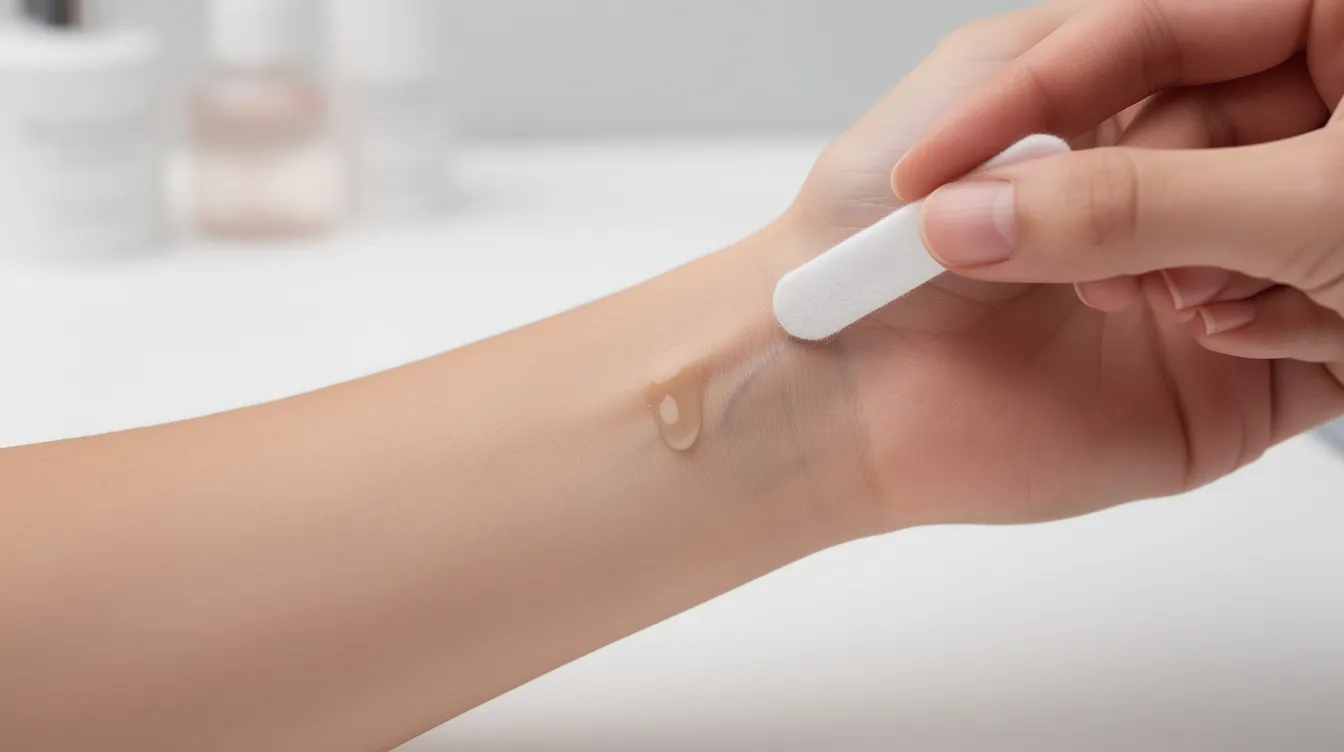
A patch test is non-negotiable with potent essential oils like oregano - perform a patch test before applying oregano oil to larger skin areas.
How to patch test:
- Mix your intended blend at the planned dilution.
- Apply a pea-sized amount to a small area of inner forearm or behind the knee.
- Leave on for 24 hours without washing.
- Watch for redness, itching, burning, or rash. If any appear, do not use the blend on larger areas.
Safety rules:
- Never use undiluted oregano essential oil on skin.
- Avoid contact with eyes, eyelids, lips, nostrils, and sensitive areas including mucous membranes.
- Do not apply right after shaving or waxing.
- Oregano oil is not recommended for pregnant or breastfeeding individuals, and should be kept away from young children unless approved by a healthcare professional.
- Individuals on blood-thinning medications should consult a clinician before topical or internal use.
If irritation occurs: Wipe off with carrier oil first (not water - water does not dissolve essential oils), then cleanse with gentle soap and warm water. Discontinue use and consult a professional if redness or burning persists.
Essential oils like oregano are not regulated for purity or potency by the FDA. Oregano oil is not FDA-evaluated for treating skin diseases and should not replace medical treatment for serious skin concerns.
DIY Oregano Oil Skin Recipes (With Safe Dilutions)
These recipes use oregano essential oil in liquid form at safe concentrations. Follow the measurements carefully - and remember that Wild Mediterranean Oil of Oregano is already 50 % essential oil, so adjust accordingly (use roughly double the carrier oil if substituting it for pure EO).
Gentle Blemish Spot Oil
- 2 teaspoons (10 mL) jojoba oil
- 1 drop oregano essential oil (~0.5 % dilution)
- Apply with a cotton swab to individual blemishes at night. Avoid irritation by keeping this away from surrounding healthy skin.
Body Blemish or Back Acne Blend
- 1 tablespoon (15 mL) MCT or grapeseed oil
- 2–3 drops of oregano essential oil (~0.7–1 % dilution)
- Apply sparingly after showering and drying the affected area thoroughly. Works well on thicker skin of the back, shoulders, and chest.
Tiny Fungal Patch Oil
- 2 teaspoons (10 mL) fractionated coconut oil
- 2–3 drops oregano essential oil (~1–1.5 % dilution)
- Apply twice daily to small, intact skin areas on feet or trunk. Stop immediately if burning persists beyond a mild warming sensation.
Soothing Mask Booster
- Oregano oil can be added to masks or scrubs for extra benefits. Add one drop of diluted oregano oil to a tablespoon of plain clay or oat mask. Mix thoroughly and apply to the face for 5–10 minutes, then rinse. This keeps contact time short and concentration minimal.
Oregano oil can also be used to enhance the antibacterial effects of moisturizers - add drops of oregano (pre-diluted in carrier) to fragrance-free body lotion for occasional use on blemish-prone body areas.
How Wild Mediterranean Oil of Oregano Fits into a Skin Routine
Wild Mediterranean Oil of Oregano stands out for three reasons: it is sourced from wild Turkish Origanum minutiflorum, contains high carvacrol (75–80 % in the oregano portion), and comes pre-diluted to 50 % in MCT oil for more convenient and safer measuring. Oregano oil contains 75–80 % carvacrol content, which correlates with potent antimicrobial and anti inflammatory activity.
For skin, treat this product as a concentrated base. Mix it further with additional carrier oils to reach the gentle topical percentages outlined above.
Quick examples:
- Add a few drops of Wild Mediterranean Oil of Oregano to a teaspoon of jojoba oil for a facial spot blend.
- Mix into a larger bottle of MCT or almond oil as a body spot treatment oil for occasional blemishes or small fungal areas.
The same bottle can support immunity, digestion, and respiratory wellness as per label directions - making it a versatile addition to your natural health toolkit. Some users also explore its potential in supporting weight loss and gut health, including protocols that use Wild Mediterranean oregano oil for natural SIBO relief and gut balance.
For guidance on dilution and use, visit oiloforegano.com, call 1-800-326-2001, or email earthremedy@earthlink.net. Free shipping is available throughout the USA.
Who Should Avoid or Limit Oregano Oil on Skin?
Oregano oil is not for everyone. Overuse can cause more harm than good, and certain groups face higher risk.
Avoid or use only under professional supervision:
- Pregnant or breastfeeding women
- Infants and young children
- People with known oregano, thyme, or Lamiaceae plant allergies
- Those with very sensitive skin, rosacea-prone, or barrier-impaired skin
Individuals on blood-thinning medications or with serious chronic conditions should check with a clinician before heavy topical or any internal use. Oregano oil should not be used as the only treatment for severe acne, widespread rashes, infected wounds, or systemic fungal infections.
Seek medical advice if your skin problem is painful, spreading quickly, or associated with fever, fatigue, or other systemic symptoms. An animal study may show promising results, but translating that to human skin requires caution and professional oversight.
Frequently Asked Questions About Oregano Oil for Skin
Can I put oregano essential oil directly on my face?
No. Pure oregano essential oil should never be applied neat (undiluted) to the face. It can cause burning, redness, and chemical-type irritation. Even as a spot treatment, you need to dilute oregano essential oil to about 0.2–0.5 % in a gentle carrier oil and apply only to individual blemishes or very small areas. Those with sensitive skin, rosacea, or eczema-prone facial skin should avoid oregano oil on the face entirely unless guided by a practitioner.
Is oregano oil good for wrinkles and anti-aging?
Oregano essential oil is not a classic "anti-aging" product, but its antioxidant and anti inflammatory actions might indirectly support collagen preservation and reduce some environmental damage. Research suggests oregano oil can inhibit enzymes linked to collagen breakdown and protect against oxidative stress. However, it should only be used in very low dilutions alongside sunscreen and a balanced skincare routine - never as a stand-alone wrinkle solution. The potential advantages lie in supporting overall skin health rather than reversing deep wrinkles.
How long does it take to see results from oregano oil on skin?
Time frames vary with the concern. Individual acne lesions may look calmer within 1–3 days of consistent spot treatment. Small fungal patches can take several weeks of consistent care, often alongside conventional treatments. General texture or redness changes may take weeks to become noticeable during the healing process. Take photos weekly to track progress, and stop use if irritation appears. If there is no improvement after 2–3 weeks, consult a dermatologist.
Can I mix oregano oil with other essential oils for my skin?
Yes, oregano essential oil can be blended with other skin-friendly essential oils. Tea tree oil and lavender are common companions. However, the total essential oil concentration should remain low - around 0.5 % for facial use and under about 2 % for small body areas, always in an appropriate carrier oil. Introduce only one new blend at a time and perform a fresh patch test whenever you change ingredients or ratios. Never combine multiple "hot" essential oils (like oregano + cinnamon) without expert guidance.
Is there a difference between culinary oregano oil and Wild Mediterranean Oil of Oregano for skin use?
Absolutely. Culinary herb-infused oils or flavoring oils are usually much weaker and not standardized for medicinal or topical potency. Wild Mediterranean Oil of Oregano is a high-potency oregano oil extract based on wild Origanum minutiflorum essential oil from Turkey, standardized to about 75–80 % carvacrol and blended 50 % with MCT oil. This consistency and purity - backed by scientific studies on oregano oil's antimicrobial benefits- make it far easier to calculate safe topical dilutions compared with random culinary infusions. It still requires additional dilution in carrier oils before any skin use in a natural way.
Unlock Radiant Skin: Harness the Power of Oregano Essential Oil Today
Experience the natural healing and beautifying benefits of Wild Mediterranean Oil of Oregano. With its potent antimicrobial, anti-inflammatory, and antioxidant properties, this wild-harvested oregano oil blend is your go-to solution for clearer, healthier, and more radiant skin. Whether you're tackling blemishes, soothing irritated patches, or supporting skin renewal, Wild Mediterranean Oil of Oregano offers a trusted, time-tested formula since 1993.
Ready to transform your skincare routine? Explore Wild Mediterranean Oil of Oregano now and enjoy free shipping across the USA. For personalized guidance or questions, call 1-800-326-2001 or email earthremedy@earthlink.net. Your journey to vibrant skin starts here!