
Oregano Oil and Acid Reflux: Benefits, Risks, and How to Use It Safely
Oregano oil is one of the most potent herbal dietary supplements on the market, but its relationship with acid reflux is complicated. For some, it supports digestive balance. For others, it makes heartburn worse. This guide breaks down what the research actually says, when oregano oil helps, when it harms, and how to use it safely if you deal with reflux, while other uses range from immune support to natural flea repellent for pets.

Key Takeaways
Oregano oil is a concentrated oil from the oregano plant with well-documented antibacterial properties, anti inflammatory properties, and antioxidant properties. However, oregano oil is not an evidence-based treatment for acid reflux. It can sometimes worsen reflux symptoms in some individuals, especially when used undiluted or on an empty stomach. It should never replace prescribed medications or medical evaluation for GERD or hiatal hernia.
Diluted wild Mediterranean oregano oil-such as Wild Mediterranean Oil of Oregano, a 50% Origanum minutiflorum blend in MCT oil-may support digestive balance when taken with food in low doses. But this essential oil is strong. It can cause heartburn and stomach irritation if misused. People with severe reflux, ulcers, pregnancy, or those on certain medications should consult their doctor before use. The sections below cover how oregano oil might help or aggravate reflux, how to use it more comfortably, and when to avoid it entirely.
Understanding Acid Reflux and GERD
Acid reflux happens when stomach acid flows backward into the esophagus, causing heartburn, a sour taste in the mouth, chest discomfort, or chronic cough. When these symptoms occur two or more times per week over several weeks, it's typically classified as gastroesophageal reflux disease (GERD)-a condition that affects roughly 20–30% of adults in North America with weekly symptoms.
Common triggers include:
- Large or late-night meals
- Spicy, fatty, or fried food
- Caffeine, alcohol, chocolate, and smoking
- Obesity, pregnancy, and certain medications (e.g., NSAIDs)
Physically, reflux usually involves a weakened or relaxed lower esophageal sphincter (LES), delayed stomach emptying, or a hiatal hernia allowing acid to move upward. The esophagus lacks the protective mucus layer that shields the stomach, which means acid, heat, and strong compounds-including concentrated essential oils-can all create reflux sensations or worsen existing burning.
Can Oregano Oil Help with Acid Reflux?
The direct answer: oregano oil is not a primary treatment for acid reflux. Over-the-counter medications like PPIs and H2 blockers provide stronger evidence for treating reflux than oregano oil. But in some people, oregano oil may indirectly support digestive health when used carefully.
Oregano oil is sometimes used to aid with mild bloating and indigestion, and it is used for gastrointestinal disorders like acid reflux in certain herbal traditions. Its antibacterial properties may help rebalance gut flora, and its ability to reduce inflammation could theoretically support a calmer digestive environment. It may also help counteract chronic inflammation effects over time.
Some practitioners use oregano oil in gut protocols for underlying issues like small intestinal bacterial overgrowth (SIBO), which can coexist with bloating, gas, and reflux-like symptoms. Oregano oil may help manage SIBO when part of a broader protocol.
q
However, human research specifically on acid reflux oregano treatment is very limited. Most data focus on antimicrobial or antioxidant effects-not GERD outcomes. More research is needed before oregano oil can be considered a proven healing tool for reflux. Think of it as an adjunctive, natural support for some digestive issues rather than a standalone cure for heartburn or severe GERD.
How Oregano Oil Works in the Digestive Tract
Understanding the mechanisms helps explain why oregano oil works deeper than simple symptom masking-but also why it carries risk.
Wild Mediterranean oregano essential oil contains many types of bioactive compounds. The most significant are carvacrol and thymol, which fight bacteria across a broad spectrum of gut pathogens and fungi. In one small study, oregano oil even outperformed standard antibiotics against cavity-causing bacteria-demonstrating potent antimicrobial, antiviral, and antibacterial properties.
Oregano oil also contains rosmarinic acid, which acts as an antioxidant. The oil is rich in antioxidants that combat oxidative stress in body tissues, including the digestive tract. These compounds, combined with oregano's various health benefits and research-backed oregano oil benefits, may help manage mild infections when taken early.
On the digestive side, oregano oil promotes digestion by increasing digestive juices and aids in nutrient digestibility and enzyme secretion. By reducing harmful bacteria or fungal overgrowth in the small intestine and stomach, it may decrease gas, bloating, and pressure that can push acid upward into the esophagus, effects linked to its key compound carvacrol’s therapeutic properties.
But here's the trade-off: oregano oil is a very "hot" essential oil. If taken undiluted or in excess, it can irritate mucous membranes-including the esophagus-potentially causing or aggravating heartburn. The same concentration that makes it effective for medicinal purposes also makes it risky for sensitive tissues.
When Oregano Oil May Worsen Heartburn or Reflux
For some people-especially those with an already sensitive esophagus-oregano oil may worsen reflux symptoms. It's important to recognize when this powerful ally becomes a problem.
Risky situations include:
- Taking oregano oil on an empty stomach
- Using undiluted oregano essential oil internally
- Very high doses or prolonged daily use
- Combining it with acidic beverages like lemon water or coffee
Direct contact of concentrated oil with the esophagus can feel like intense heat or burning, mimicking or amplifying acid reflux pain. Oregano oil can cause heartburn and stomach irritation even in people who don't normally experience reflux.
For those with gastritis, ulcers, Barrett's esophagus, or severe GERD diagnosed by a doctor, any additional irritant-including strong herbal extracts-should be approached with extra caution. It will not provide instant relief for these conditions and may cause harm.
Stop signals: If you notice new or worsening heartburn, chest pain, or difficulty swallowing after taking oregano, discontinue use and speak with a healthcare professional promptly.
How to Use Oregano Oil More Comfortably if You Have Mild Reflux
This section is for generally healthy adults with mild, occasional reflux. It is not medical advice and does not replace consultation with a physician, registered dietitian, or gastroenterologist.
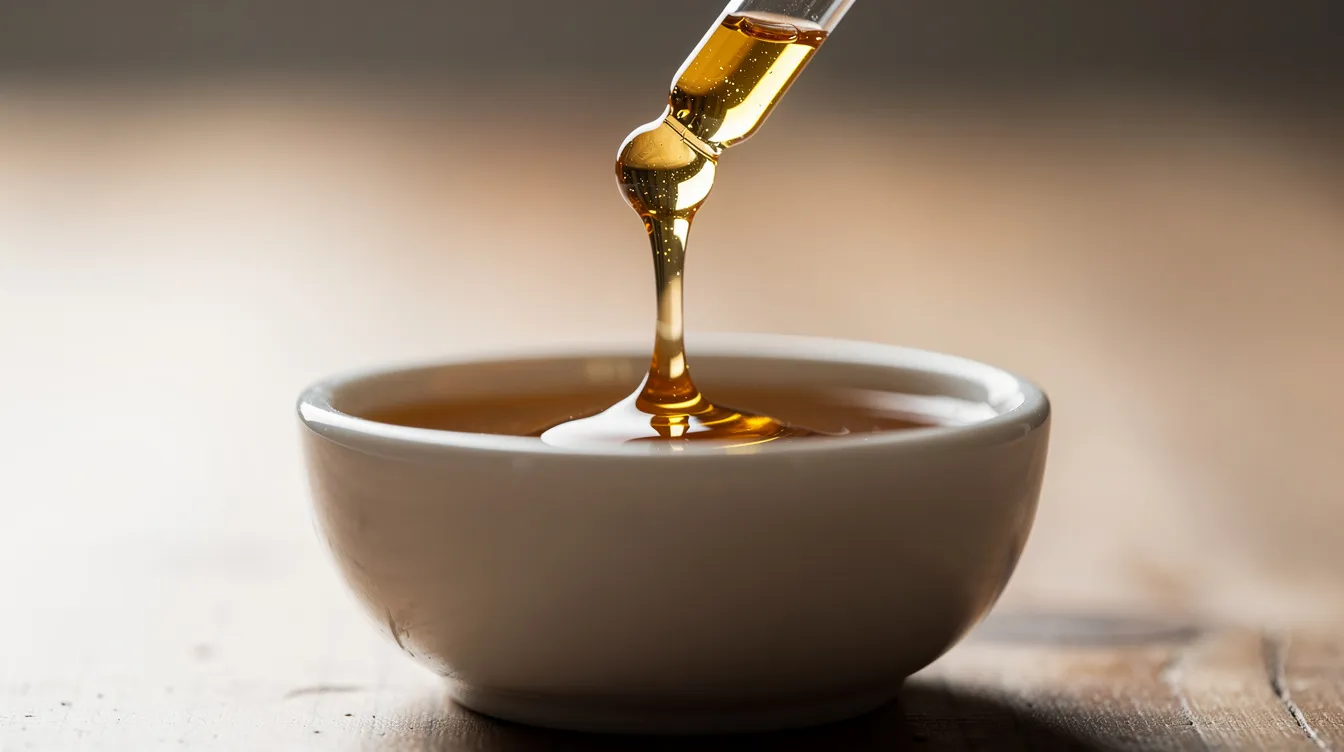
Oregano oil should be diluted before use-always. Use only pre-diluted products specifically formulated for internal use, such as Wild Mediterranean Oil of Oregano (50% wild Origanum minutiflorum in MCT oil), rather than pure essential oil meant for topically applied or cooking uses.
Start low and go slow:
- Begin with 1–2 drops mixed into at least a teaspoon of carrier oil (olive oil or additional MCT oil) or stirred into food
- Take with a mid-sized meal-never on an empty stomach
- Avoid bedtime doses; lying down after consuming any strong oil can increase nighttime heartburn
Track your response:
Keep a simple symptom log over 1–2 weeks. Note timing, dose, foods eaten, and any reflux, bloating, or digestive changes. If the oil consistently triggers discomfort, stop. Short-term use of oregano oil is recommended rather than indefinite daily consumption.
Oregano Oil Safety: Who Should Avoid or Use Extra Caution?
Whether oregano oil safe for you depends on dose, form, health status, other medications, and individual sensitivity.
Groups that should generally avoid internal use without professional supervision:
- Pregnant or breastfeeding individuals should avoid oregano oil in medicinal doses
- Children
- Anyone with known allergies to mint-family plants (oregano, basil, thyme)
- People with active ulcers, severe esophagitis, or Barrett's esophagus
Medication interactions to discuss with your doctor:
- Blood thinners (oregano oil may have mild anticoagulant effects)
- Diabetes medications
- Drugs affecting blood clotting or blood sugar
Common side effects at higher doses include nausea, stomach cramps, diarrhea, or increased heartburn. Applied topically without proper dilution, skin redness can occur. Allergies to the Lamiaceae family, while rare, are documented.
Individuals already prescribed proton pump inhibitors or H2 blockers for GERD should not stop or change their medications based solely on oregano oil use or online advice. Always consult a healthcare professional before using oregano oil alongside any medicine.
Wild Mediterranean Oil of Oregano for Digestive Support
For readers considering a premium oregano oil as part of a broader digestive wellness plan, Wild Mediterranean Oregano Oil offers wild-harvested Origanum minutiflorum from Turkey's Taurus Mountains. It's steam-distilled and pre-blended 50/50 with MCT oil for gentler internal use-a quality that matters for reflux-prone users.
With 75–80% carvacrol content, this oil delivers potent antibacterial properties while the MCT dilution helps moderate direct irritation compared to raw essential oil. Many customers use it for seasonal immune support, occasional skin and fungal concerns, parasite management with oregano oil, and digestive balance-including bloating and irregularity.
To learn more, review suggested use, or get personalized guidance, contact customer support at 1-800-326-2001 or earthremedy@earthlink.net, and visit oiloforegano.com for detailed product information.
Lifestyle Tips to Pair with Oregano Oil for Better Reflux Control
Herbal support works best alongside proven lifestyle habits for reducing heartburn. Oregano oil and black seed oil alone cannot provide instant relief-but combined with the right habits, they may become a helpful part of your nutrition and wellness routine.
Eating habits:
- Smaller, more frequent meals with fresh whole foods
- Avoid lying down within 2–3 hours of dinner
- Limit classic triggers: heavy tomato sauces, fried food with bold flavor, peppermint, and alcohol
Physical strategies:
- Elevate the head of your bed by 6–8 inches
- Maintain a healthy body weight
- Avoid tight waistbands that increase abdominal pressure
Keep a personalized trigger list. Record which foods, supplements, and nutrients intensify or ease your reflux over time. Combining these strategies with cautious, well-diluted oregano oil use may help some people experience digestive health benefits with less risk of heartburn flare-ups.
Frequently Asked Questions About Oregano Oil and Acid Reflux
Can oregano oil replace my prescription GERD medication?
No. Oregano oil cannot replace proton pump inhibitors, H2 blockers, or other GERD prescriptions. These medications address acid suppression and esophageal healing with strong clinical evidence behind them. Stopping medication without medical guidance can lead to complications like esophageal damage or illness progression.
Is it better to use oregano oil capsules or liquid if I get heartburn?
Some people tolerate enteric coated capsules better because they bypass the esophagus and dissolve lower in the gut, reducing direct contact irritation. Others prefer a carefully diluted liquid like Wild Mediterranean Oil of Oregano consumed with food. The best form depends on individual tolerance-experiment under guidance from your doctor.
How long does it take to notice digestive benefits from taking oregano?
Most people evaluate changes over 1–3 weeks, watching for shifts in bloating, gas, or general comfort. Any persistent worsening of reflux or new symptoms is a clear sign to stop use and reassess.
Can I use oregano essential oil in a diffuser instead of taking it orally for reflux?
Diffusing oregano oil may support respiratory comfort and seasonal allergies, and targeted use can support bronchitis and respiratory health, but it has not been shown to treat acid reflux. Inhalation avoids digestive irritation but does not address reflux mechanisms like LES function or acid production.
What should I do if oregano oil causes a burning feeling in my chest or throat?
Stop taking the oil immediately. Drink water or a small sip of milk to dilute and buffer any residue. Avoid lying down. If pain is severe, persistent, or accompanied by shortness of breath, seek medical care. Review your dosing and consider whether oregano oil supplements are appropriate for your body going forward.
Oregano oil can be a powerful ally in your digestive toolkit-but only when used responsibly and with realistic expectations. If you're ready to explore a premium, wild-harvested option, visit Wild Mediterranean Oil of Oregano to learn more, or call 1-800-326-2001 for personalized guidance.