Natural Flea Repellent with Oregano Oil: A Guide
Dealing with
fleas on your pets can be a frustrating experience. Many pet owners seek effective and safe solutions to protect their pets from these pesky parasites. One powerful solution lies in the use of
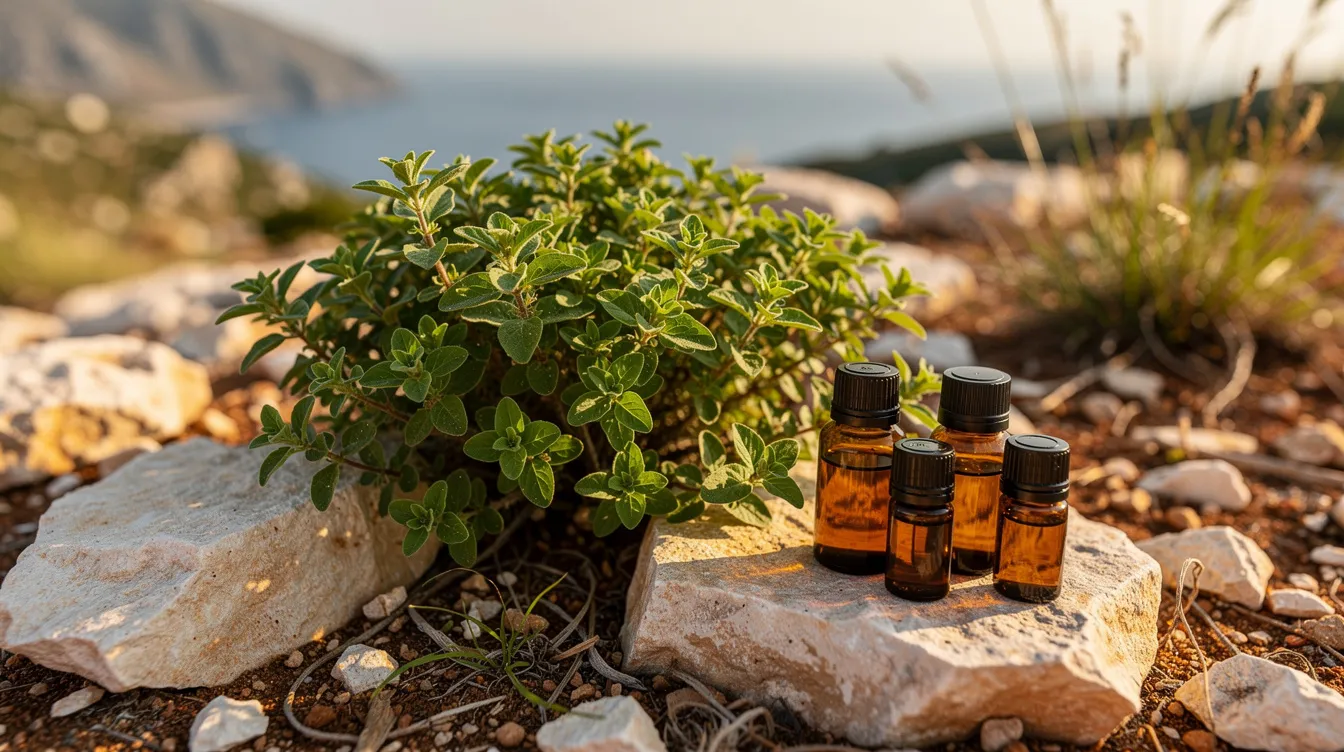
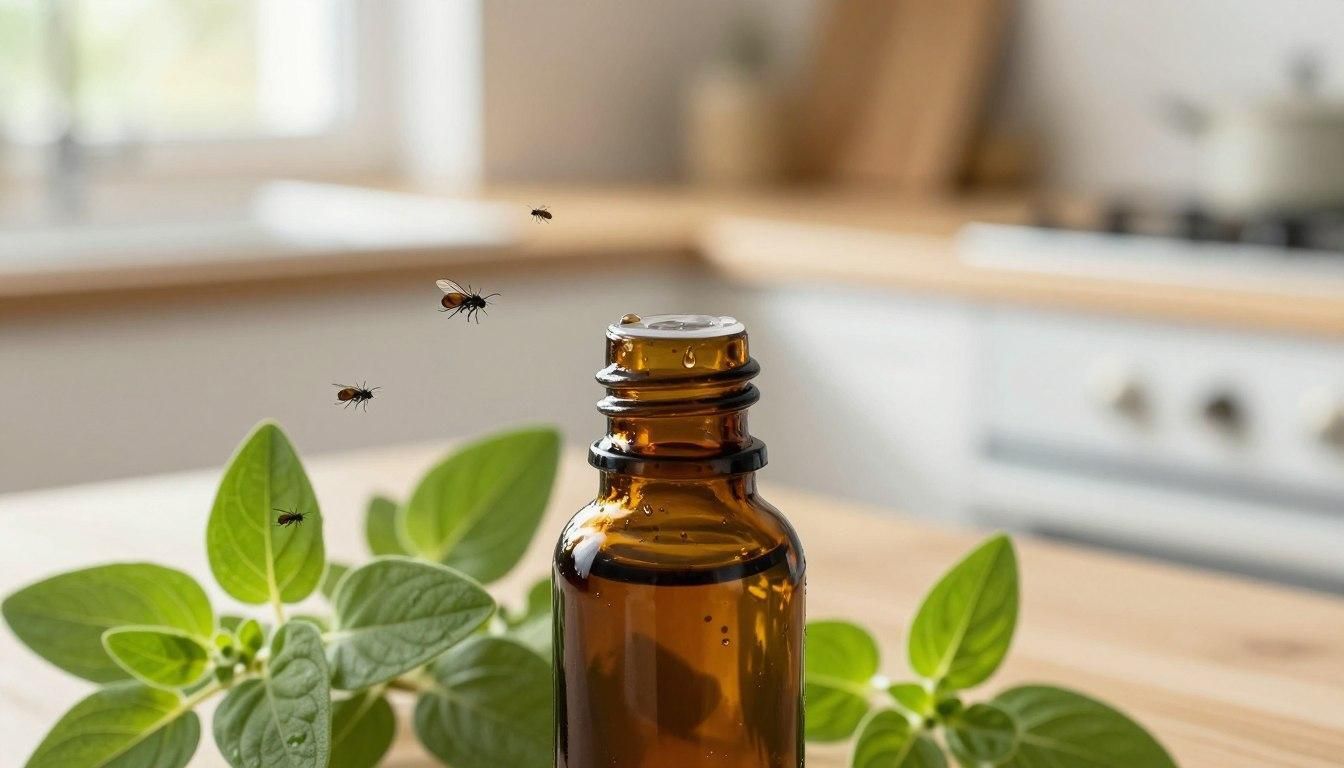
oregano oil, a potent essential oil known for its ability to repel and eliminate fleas.
Wild Mediterranean Oregano Oil has been a trusted source for premium oregano oil since 1993, providing pet owners with a reliable and effective remedy for flea problems. This guide will walk you through the benefits of using oregano oil as a flea repellent, how to apply it safely, and how to combine it with other natural remedies for maximum effectiveness.
Key Takeaways
- Oregano oil is a powerful natural remedy for repelling and eliminating fleas.
- Wild Mediterranean Oregano Oil offers high-quality oregano oil for pet care.
- Proper application and dilution of oregano oil are crucial for safe use on pets.
- Combining oregano oil with other natural remedies can enhance its effectiveness.
- Understanding the science behind oregano oil's effectiveness can help pet owners use it confidently.
Understanding the Flea Problem for Pet Owners
The flea problem is a significant concern for pet owners, necessitating a deep dive into their biology and behavior. Fleas are tiny parasitic insects that feed on the blood of mammals, making our pets prime targets for infestation. As a pet owner, it's crucial to understand the flea life cycle and recognize the signs of infestation to manage the problem effectively.
The Flea Life Cycle and Why It Matters
The life cycle of a flea consists of four stages: egg, larva, pupa, and adult. Adult female fleas can lay up to 20 eggs at a time, which are often deposited on the host or in warm spots around the home. These eggs can hatch into larvae within a couple of days to a week. Understanding this cycle is crucial because it helps pet owners target the different stages effectively.
| Stage | Duration | Description |
|---|---|---|
| Egg | 2 days - 1 week | Eggs are laid by adult fleas on the host or in the environment. |
| Larva | 1-2 weeks | Larvae emerge from eggs and feed on organic debris. |
| Pupa | 1-2 weeks | Pupae develop into adult fleas, which then emerge to start the cycle over. |
Recognizing Signs of Flea Infestation in Your Pet
Recognizing the signs of flea infestation early can prevent a minor problem from becoming a major issue. Common symptoms include excessive scratching, visible black specks in fur (flea dirt), hair loss in certain areas, irritated skin, and sometimes lethargy or pale gums in severe cases. Pet owners should regularly check their animals using a flea comb and look for these signs to address the problem promptly.
By understanding the flea life cycle and recognizing the signs of infestation, pet owners can take effective steps to manage fleas and prevent reinfestation.
Why Oregano Oil Works as a Natural Flea Repellent
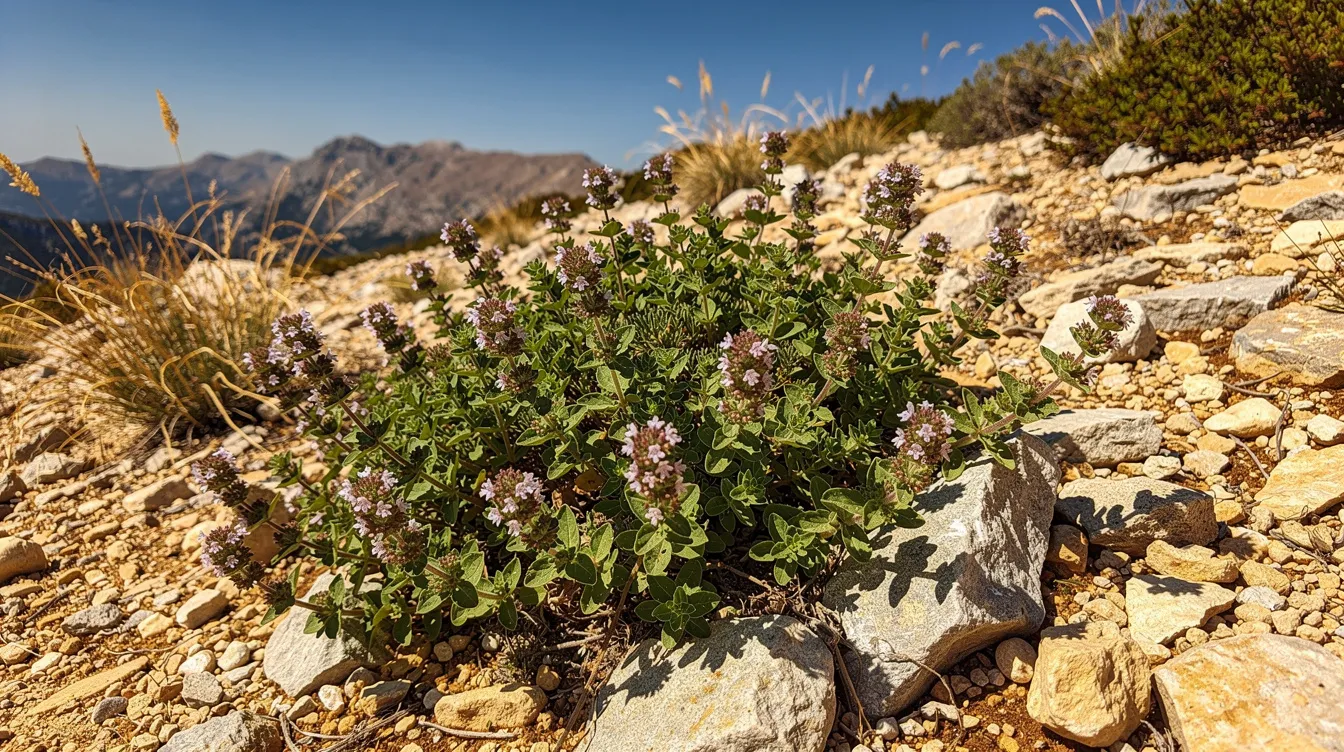
Oregano oil has emerged as a potent natural flea repellent, thanks to its active compound carvacrol. This essential oil is extracted through steam distillation from the leaves and flowers of the Origanum vulgare plant, resulting in a highly concentrated oil with powerful properties.
The Science Behind Carvacrol and Its Effects on Fleas
Carvacrol, the primary active compound in oregano oil, is responsible for its effectiveness against fleas. It has potent antimicrobial, antifungal, and insecticidal properties. When properly applied and diluted, carvacrol disrupts the cell membranes of fleas, effectively killing them on contact. Scientific studies have shown that carvacrol can be as effective as some commercial insecticides but without the synthetic chemicals that may harm pets over time.
The use of oregano oil as a flea repellent is backed by its versatility. It can be used in various forms, including topical applications, diffused in the air, and used in diluted sprays for pets. This versatility makes oregano oil a comprehensive solution for flea management.
Advantages of Natural Solutions Over Chemical Treatments
Unlike chemical treatments that often contain neurotoxins, oregano oil offers a natural alternative that works with your pet's biology rather than introducing potentially harmful substances. Natural solutions like oregano oil not only address the immediate flea problem but also provide secondary benefits such as skin conditioning and antimicrobial protection.
Furthermore, chemical flea treatments can lead to resistance over time, while natural remedies like oregano oil maintain their effectiveness when used properly. The use of oregano oil sourced from high-quality oregano plants ensures maximum carvacrol content and effectiveness against pests like fleas.
By choosing oregano oil as a natural flea repellent, pet owners can benefit from its multifaceted properties while avoiding the potential drawbacks of chemical treatments.
Is Oregano Oil Safe for Dogs? Important Safety Guidelines
The safety of your dog is paramount, and using oregano oil requires careful consideration. While oregano oil can offer numerous benefits for your pet, it's crucial to follow proper safety guidelines to avoid adverse reactions or complications.
Before introducing oregano oil or any essential oil into your dog's wellness routine, it's essential to consult with your veterinarian. This is particularly important if your dog has existing health conditions or is taking medications that could interact with the oil.
Proper Dilution Ratios for Different Sized Dogs
Oregano oil is highly concentrated and can cause skin irritation if applied undiluted. Always dilute oregano oil with a carrier oil, such as coconut oil, olive oil, or jojoba oil, before applying it to your dog's skin. A general dilution ratio is 1 drop of oregano oil for every teaspoon of carrier oil.
The proper dilution ratio may vary depending on the size of your dog. Larger dogs can tolerate slightly stronger dilutions than smaller breeds, but it's always best to err on the side of caution.
When to Avoid Using Oregano Oil on Your Pet
There are certain situations where you should avoid using oregano oil on your pet or use it with extreme caution under veterinary guidance. These include puppies, pregnant dogs, nursing dogs, and senior dogs.
Dogs with sensitive skin, previous reactions to essential oils, or certain health conditions may not be good candidates for oregano oil treatments. Never allow your dog to ingest oregano oil directly, as internal use requires professional veterinary supervision and specific formulations.
Always perform a patch test before full application by applying a small amount of diluted oil to a small area and monitoring for 24 hours for any adverse reactions. If your dog shows signs of discomfort, excessive scratching, redness, or respiratory distress after application, wash the area immediately with mild soap and water and contact your veterinarian.
Step-by-Step Guide to Making Oregano Oil Flea Repellent
Creating a natural flea repellent using oregano oil is easier than you think and offers a chemical-free solution for your pets. This guide will walk you through the simple process of making your own oregano oil flea repellent at home.
Basic Spray Recipe with Detailed Measurements
To make a basic oregano oil flea repellent spray, you'll need the following ingredients:
- 1 teaspoon of high-quality oregano essential oil
- 3 tablespoons of a carrier oil like olive or coconut oil
- 2 parts apple cider vinegar
- 1 part distilled water
Combine 1 teaspoon of oregano oil with 3 tablespoons of carrier oil in a small bowl. In a separate container, mix 2 parts apple cider vinegar with 1 part distilled water. Then, combine these two mixtures in a dark glass spray bottle. Shake well before each use as the oils will naturally separate from the water-based ingredients.
Advanced Formulas with Complementary Ingredients
For enhanced effectiveness, consider incorporating complementary essential oils like lavender, cedarwood, or lemongrass into your flea repellent. These oils not only repel fleas but also offer additional benefits such as calming your pet or repelling other pests.
A powerful combination includes 1 teaspoon oregano oil, 1/2 teaspoon each of lavender and cedarwood oils, 3 tablespoons of carrier oil, and 1 cup of apple cider vinegar diluted with 1/2 cup water. Mix these ingredients in a dark glass spray bottle and shake well before each use.
As noted by experts, "Using a combination of natural ingredients can enhance the effectiveness of your flea repellent." Always test any new formula on a small area of your pet's skin before full application to ensure they don't have a sensitivity to the specific combination of ingredients.
"The key to a successful flea repellent is consistency and patience. It may take a few applications to see the desired results."
Store your homemade repellent in a cool, dark place and use within 2-3 months for maximum potency. When making larger batches, maintain the same ratios and always label your bottles with ingredients and dates.
How to Apply Oregano Oil Treatments Effectively
Effective flea control with oregano oil requires a strategic approach to application. To maximize its potential as a natural flea repellent, it's crucial to understand where and how to apply it on your pet and in your home environment.
Topical Application Methods for Different Body Areas
When applying oregano oil topically to your pet, it's essential to target areas where fleas tend to congregate. These include around the neck, base of the tail, groin area, armpits, and behind the ears. To apply, mix one teaspoon of oregano oil with three teaspoons of olive oil. Use your fingertips or a cotton ball to gently work the diluted solution into these areas, being cautious to avoid the eyes, nose, mouth, and any open wounds. For long-haired pets, part the fur to ensure the solution reaches the skin where fleas live and feed.
- Begin by identifying key areas where fleas hide on your pet.
- Limit initial applications to 2-3 times per week, observing your pet's reaction.
- For enhanced effectiveness, consider combining oregano oil with other natural flea remedies.
Treating Your Home Environment to Prevent Reinfestation
Treating your home is just as important as treating your pet directly to prevent reinfestation. Create a home spray by mixing 10 drops of oregano oil with 2 cups of water and 1 cup of white vinegar. Spray this solution on pet bedding, furniture, and carpet edges, but test fabrics first to ensure colorfastness.
- Wash all pet bedding in hot water with a few drops of oregano oil added to the rinse cycle.
- Vacuum thoroughly and frequently, disposing of vacuum bags immediately outside your home.
- Consider placing cedar chips or cotton balls with a few drops of oregano oil in hidden areas around your home as an ongoing preventative measure.
By following these steps and applying oregano oil treatments effectively, you can significantly reduce the risk of flea infestation and keep your pet comfortable and healthy.
Treating Dog Skin Conditions with Diluted Oregano Oil
Oregano oil, when properly diluted, can be a game-changer for dogs suffering from skin conditions such as hot spots, fungal infections, and dermatitis. Its powerful antimicrobial properties make it an effective natural remedy for various infections in dogs.
Addressing Yeast Infections on Dog Skin
Yeast infections on dog skin, commonly caused by Malassezia pachydermatis, often appear as red, itchy, smelly patches. These can be effectively treated with properly diluted oregano oil. To create a treatment solution, mix 1 drop of oregano oil with 1 tablespoon of coconut oil, which has its own antifungal properties. Apply this mixture to the affected areas twice daily after gentle cleaning.
The carvacrol in oregano oil targets the cell membranes of yeast organisms, disrupting their growth and reproduction without harming healthy skin cells when properly diluted. For dogs with recurring yeast issues, weekly maintenance applications to problem areas may be beneficial even after the infection clears.
Benefits of Oregano Oil for Dog Paws and Problem Areas
Dog paws are particularly vulnerable to irritation, bacterial growth, and yeast infections due to constant contact with various surfaces and moisture retention between paw pads. The benefits of oregano oil for dog paws include fighting fungal and bacterial infections, reducing inflammation from allergic reactions, and healing minor cuts or abrasions.
To create a paw soak, add 2-3 drops of oregano oil to a basin of warm water with 1 tablespoon of coconut oil. Soak your dog's paws for 5 minutes, then pat dry without rinsing. Regular application of diluted oregano oil can help prevent flare-ups and provide relief from itching and inflammation in dogs with recurring hot spots or dermatitis.
Always monitor your dog's reaction to oregano oil treatments and discontinue use if irritation occurs, as some dogs may have individual sensitivities.
Combining Oregano Oil with Other Natural Flea Remedies
For a more comprehensive approach to flea control, consider combining oregano oil with other natural flea remedies. While oregano oil is effective on its own, pairing it with other natural treatments can create a synergistic effect that enhances overall effectiveness against persistent flea problems.
Effective Essential Oil Combinations
Certain essential oils work well with oregano oil to enhance its flea-repelling properties. These include:
- Lavender oil, which soothes the skin and repels fleas.
- Cedarwood oil, a known flea deterrent.
- Lemongrass oil, which repels multiple insects.
- Neem oil, which disrupts flea life cycles.
An effective combination spray can be made with 2 drops each of oregano, lavender, and cedarwood essential oils diluted in 2 tablespoons of carrier oil and 1 cup of water.
Non-Oil Natural Ingredients That Enhance Effectiveness
Beyond essential oils, other natural ingredients can complement oregano oil treatments. For example:
- Diatomaceous earth can be sprinkled on carpets to help eliminate fleas.
- Fresh lemon juice can be diluted as a rinse to help break down flea exoskeletons.
- Apple cider vinegar can be used as a spray to help repel fleas.
- Brewer's yeast added to your pet's diet (with veterinary approval) can make their blood less appealing to fleas.
By combining these natural flea remedies, you can create a comprehensive alternative to chemical treatments, addressing both immediate flea control and longer-term prevention.
Conclusion: Maintaining a Flea-Free Pet Naturally
As we've explored throughout this guide, oregano oil offers a potent natural solution for managing fleas on pets. Maintaining a flea-free pet naturally is an ongoing process that combines regular treatment, environmental management, and preventative measures.
Oregano oil, with its powerful carvacrol content, serves as the foundation of an effective natural flea control program that's safer for both pets and families. To keep your pet flea-free, establish a regular schedule for checking their fur with a flea comb and applying diluted oregano oil treatments.
For more information about using oregano oil for your pet's specific needs, or to learn more about Wild Mediterranean Oregano Oil products, contact their customer service at 1-800-326-2001. By choosing natural alternatives like oregano oil, pet owners can protect their animals from fleas and the potential long-term effects of chemical exposure, ensuring their pets remain comfortable, healthy, and flea-free naturally.
Frequently Asked Questions About Natural Flea Repellent with Oregano Oil: A Guide
What is the recommended dilution ratio for oregano essential oil when used on dogs?
The recommended dilution ratio varies based on the dog's size. Generally, a 0.5-1% dilution is considered safe. For a small dog, mix 2-3 drops of oregano oil with 1 teaspoon of coconut oil or water. Always consult a veterinarian before application.
Can I use oregano oil on my dog's skin if they have a yeast infection?
Yes, oregano oil has antifungal properties that can help combat yeast infections. However, it's crucial to dilute it properly and consult with a veterinarian to ensure safe treatment.
How often should I apply oregano oil flea treatments to my pet?
The frequency depends on the severity of the infestation and the product's instructions. Typically, applying the treatment once a week is sufficient. Monitor your pet's condition and adjust as necessary.
Are there any essential oils that can be combined with oregano oil for enhanced effectiveness?
Yes, lavender oil and lemon essential oil can be combined with oregano oil. These oils have complementary properties that can enhance the overall effectiveness of the treatment.
Can I use oregano oil on my dog's paws?
Yes, oregano oil can be used on your dog's paws to help soothe and protect them. However, ensure proper dilution and avoid applying it between the toes to prevent irritation.
How can I prevent reinfestation in my home?
To prevent reinfestation, regularly clean and vacuum your home, especially areas where your pet spends most of its time. Wash your pet's bedding in hot water and dry it on a high heat setting.
Is apple cider vinegar a useful addition to oregano oil for flea control?
Yes, apple cider vinegar can be used in conjunction with oregano oil. It helps to balance your pet's skin pH, making it less hospitable to fleas and other parasites.
What are the signs that my dog is having an adverse reaction to oregano oil?
Signs of an adverse reaction include redness, itching, and irritation on the skin. If you notice any of these symptoms, discontinue use and consult with a veterinarian for advice.