What Bacteria Does Oregano Oil Kill?
Oregano oil has captured the attention of researchers and health enthusiasts alike for its remarkable ability to inhibit or kill harmful bacteria. But which specific pathogens does this potent plant extract actually target? This article breaks down the science, the bacteria, and the practical considerations for anyone exploring oregano oil as part of their wellness strategy.
Key Takeaways
Oregano oil, particularly essential oil extracted from wild Origanum vulgare, demonstrates antibacterial activity against multiple pathogens thanks to its high carvacrol and thymol content, which disrupt bacterial cell membranes leading to leakage and cell death.
- Bacteria studied include: Escherichia coli, ESBL-producing E. coli, Staphylococcus aureus (including some methicillin-resistant strains), Streptococcus mutans and other oral bacteria, Pseudomonas aeruginosa, and gut-related bacteria involved in small intestinal bacterial overgrowth (SIBO).
- Oregano oil demonstrates notable antibiotic properties, with research showing its ability to inhibit bacterial growth and combat drug-resistant bacteria, sometimes comparable to conventional antibiotics.
- Evidence is primarily from test tubes and small animal or human studies, positioning oregano oil as a complementary approach rather than a replacement for prescribed antibiotics.
- Wild Mediterranean Oregano Oil uses wild Origanum vulgare from the Mediterranean region, rich in carvacrol (typically 60-80%), and is available as concentrated drops shipped throughout the US and Canada.
- Safety reminder: Oregano oil is potent, must be diluted or taken as directed, and requires medical guidance for infections or chronic conditions.
Introduction: Why People Ask “What Bacteria Does Oregano Oil Kill?”
Rising antibiotic resistance has become a global health crisis, with over 1.27 million deaths attributable to bacterial antimicrobial resistance in 2019 according to WHO data. At the same time, gut health awareness has surged, with conditions like SIBO affecting up to 15% of IBS patients. This combination has driven intense interest in natural antimicrobials that might complement conventional treatments.
Oregano is far more than a common herb oregano lovers sprinkle on pizza. For over 2,500 years, Mediterranean cultures have used it for respiratory issues, digestive woes, and to ward off infections. Ancient Greeks and Romans recognized its medicinal uses long before modern laboratories confirmed what they observed. Modern research highlights oregano oil's strong antimicrobial activity against a broad range of bacteria, including multidrug-resistant strains.
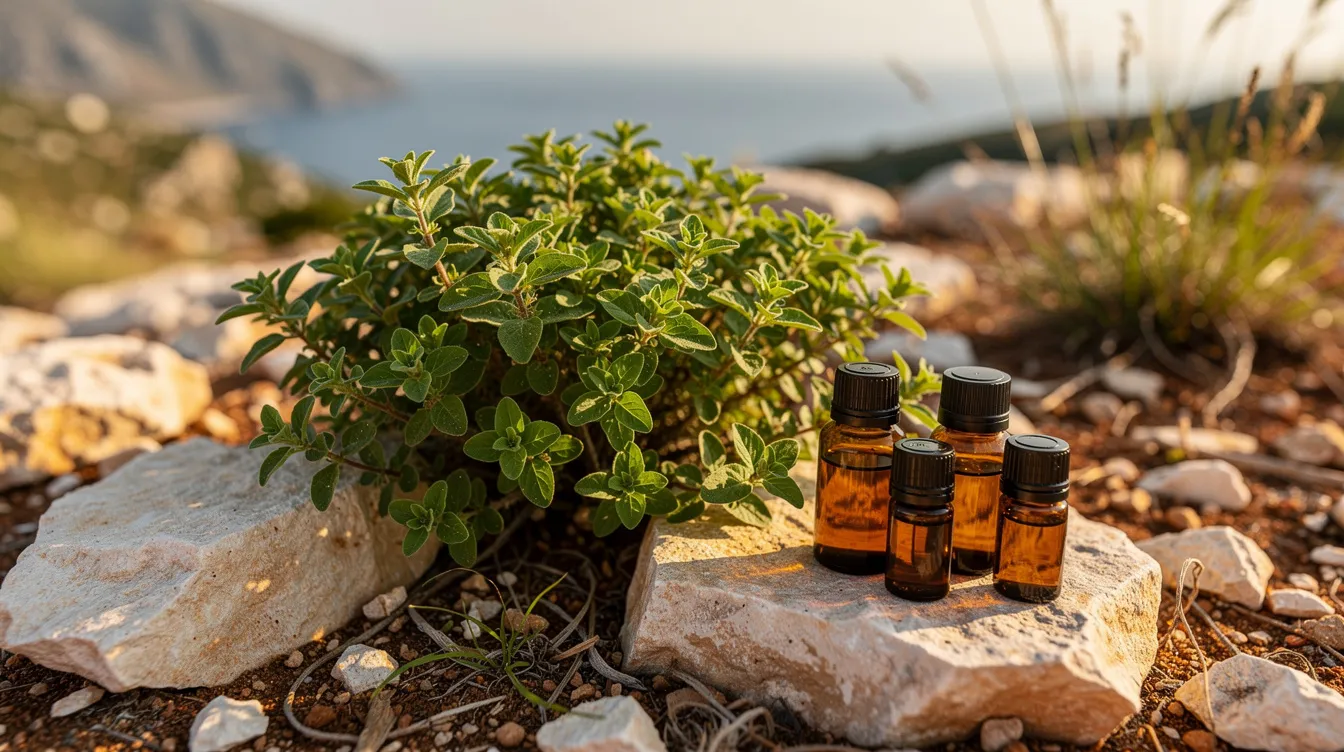
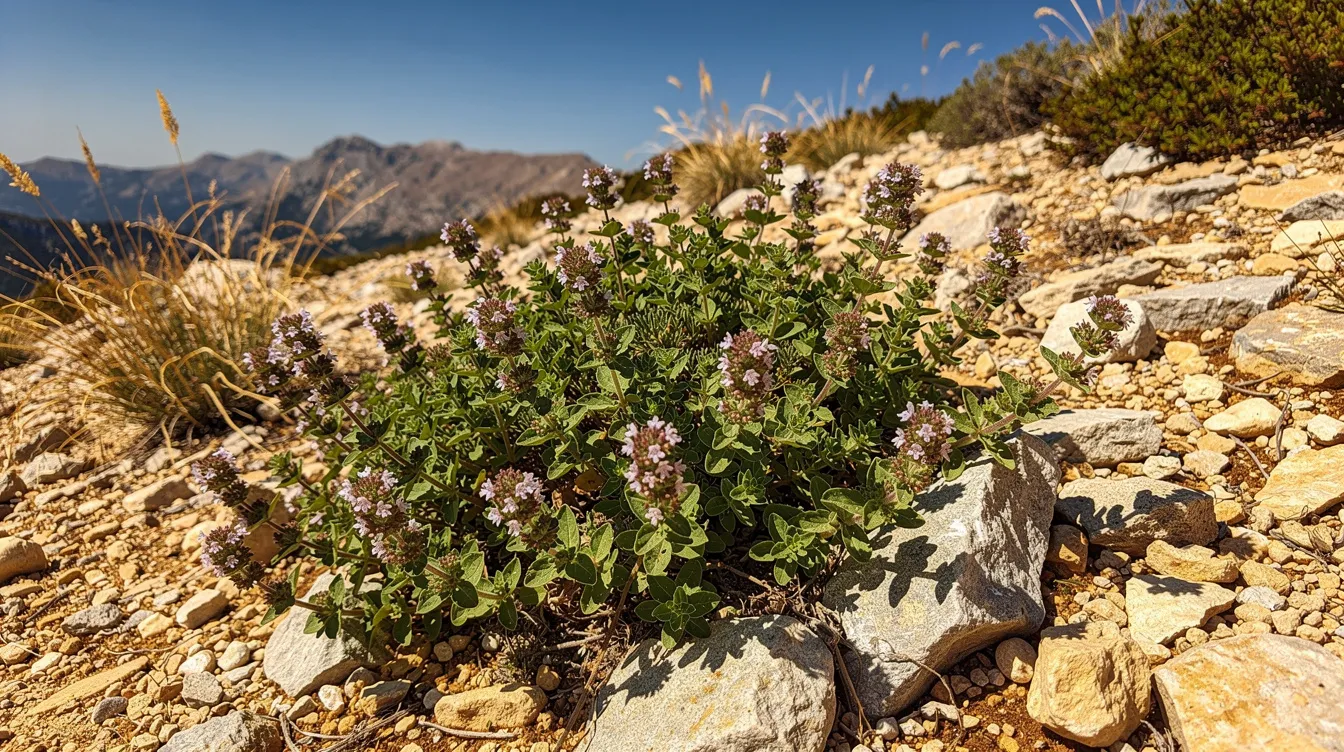
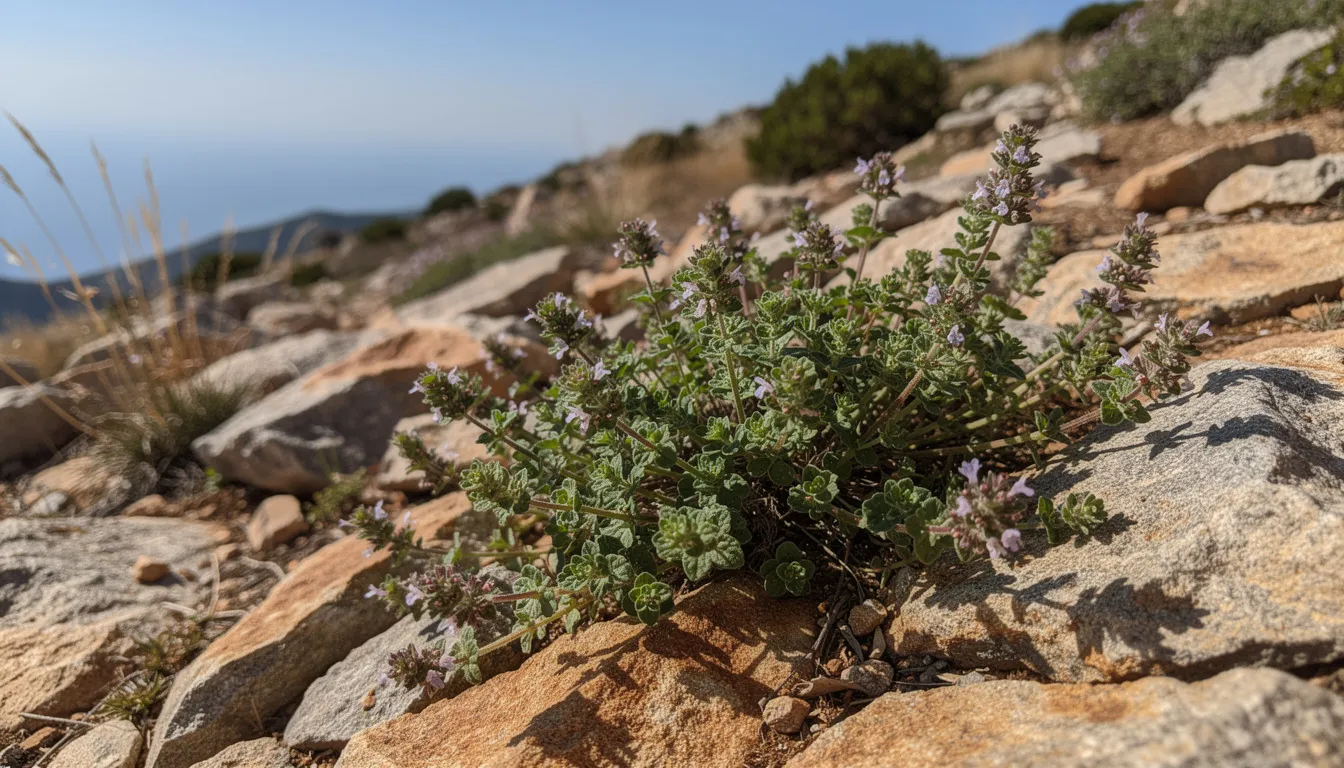
Today, modern research focuses specifically on oregano essential oil from Origanum vulgare, particularly wild Mediterranean varieties harvested from harsh mountain environments. These plants produce elevated levels of phenolic compounds as a natural stress response, making their oil extracted from leaves and flowers exceptionally potent.
Wild Mediterranean Oregano Oil, established in 1993, specializes in premium wild oregano drops sourced from these traditional Mediterranean growing regions. This article serves as an evidence-based guide for readers curious about antibacterial effects, reviewing which bacteria have been studied, how oregano oil works, and how to use it responsibly alongside professional medical care. Oregano oil is also being explored as an effective alternative to conventional antibiotics, especially in the context of rising antibiotic resistance.
How Oregano Oil Fights Bacteria: The Science in Simple Terms
Oregano essential oil is a complex mixture of over 50 volatile compounds that work together to damage bacterial cells. The primary players are phenolic monoterpenes, with carvacrol typically comprising 60-80% of high-quality Mediterranean oregano oil chemotypes, followed by thymol at 5-10%, plus supporting compounds like p-cymene (10-20%) and γ-terpinene (5-10%).
Carvacrol and thymol are phenolic compounds found in oregano oil that are mainly responsible for its antibacterial effects. Carvacrol is known for its strong antimicrobial properties, while thymol also contributes significantly to the oil’s ability to combat bacteria.
These two compounds, carvacrol and thymol, are responsible for most of oregano oil’s antibacterial activity. Here’s how they fight bacteria in simple terms:
Disrupting Bacterial Cell Membranes
Carvacrol and thymol are hydrophobic (water-repelling), allowing them to slip into the fatty outer layers of bacterial cells. Once there, they increase membrane fluidity, punch holes in the cell wall, and cause the contents to leak out. Scanning electron microscopy studies have actually captured images of these holes, and staining techniques confirm that bacterial cells become permeable and die.
Interfering with Energy Production
Bacteria rely on a proton gradient across their membrane to produce ATP (their cellular energy currency). When oregano oil disrupts the membrane, this gradient collapses, leading to ATP depletion and cell death.
Blocking Biofilm Formation and Communication
Some bacteria coordinate their behavior through chemical signaling called quorum sensing. Research suggests oregano oil can interfere with this communication, making it harder for bacteria to form protective biofilm communities.
Laboratory studies consistently show that carvacrol’s therapeutic applications include a minimum inhibitory concentration 4-10 times lower than thymol against staph bacteria and E. coli, explaining why high-carvacrol oils are prized for antibacterial applications. In checkerboard assays, oregano oil has shown synergy with antibiotics like tobramycin, achieving fractional inhibitory concentration indices below 0.5.
Because wild Mediterranean oregano naturally grows in rocky, mineral-poor soils under environmental stress, these plants produce 20-50% more phenolic compounds than cultivated varieties. This biological activity explains why companies like Wild Mediterranean Oregano Oil focus specifically on these sources for maximal antibacterial effect.
Gram-Negative Bacteria: E. coli, ESBL E. coli and Gut-Related Strains
Gram negative bacteria present a particular challenge for antibacterial agents because they possess not only a thin peptidoglycan cell wall but also an additional outer lipopolysaccharide membrane. This double barrier, combined with efflux pumps that actively remove threats, makes these organisms increasingly resistant to many antibiotics. However, oregano oil’s carvacrol penetrates this defense through its lipophilic nature.
Standard Escherichia coli
E. coli is normally a harmless resident of the human gut, but certain strains cause 80-90% of urinary tract infections, food poisoning from contaminated produce or meat, and even bloodstream infections. The 2008 research on poultry-derived strains demonstrated that oregano essential oil shows strong antibacterial activity against E. coli, with minimum inhibitory concentration around 0.5 µL/mL.
Further study examined carvacrol specifically, finding MICs of 0.005-0.04 mg/mL against standard E. coli strains. This represents a relatively low doses needed to inhibit bacterial growth, making oregano oil a subject of ongoing research in both human health and veterinary medicine applications.
Extended-Spectrum β-Lactamase (ESBL)-Producing E. coli
ESBL-producing bacteria represent a serious threat because they produce enzymes that break down many common antibiotics, including penicillins and cephalosporins. These drug resistant bacteria are prevalent in 10-50% of clinical isolates depending on geographic region, contributing significantly to antibiotic resistance concerns.
A 2008 study from Henan Agricultural University found that oregano essential oil inhibited ESBL-producing E. coli and demonstrated synergistic or additive effects when combined with antibiotics such as fluoroquinolones and doxycycline, with FIC indices of 0.375-0.75. This suggests oregano oil may potentially serve as valuable adjuvants that could help reduce required antibiotic doses in veterinary or future clinical settings, though this is not yet standard antibiotics practice in medical microbiology.
Pseudomonas aeruginosa
Pseudomonas aeruginosa causes particularly stubborn hospital infections and is a major concern in cystic fibrosis patients, accounting for roughly 10% of hospital-acquired pneumonias with mortality rates exceeding 20%. Multiple in vitro studies demonstrate that oregano oil damages P. aeruginosa cell membranes and reduces growth, with carvacrol showing MICs below 0.1 mg/mL.
Salmonella enterica
Salmonella enterica and foodborne E. coli strains have been studied extensively in food safety research. Oregano oil has reduced bacterial counts on foods and contact surfaces by 2-4 log reductions, demonstrating practical applications for reduce infection risk in food processing.
Connection to Gut Health and SIBO
Small intestinal bacterial overgrowth involves abnormal proliferation of bacteria species like Klebsiella or E. coli in the small intestine, affecting 60-80% of SIBO cases. Herbal protocols including oregano oil (typically 200-600 mg/day in emulsified form) have yielded 46% eradication rates in small open-label studies over 4-10 weeks, consistent with oregano oil benefits studies and research highlighting its antimicrobial potential.
However, these protocols typically combine oregano oil with other herbs like berberine plus dietary modifications, so oregano oil functions as one component of a broader gut-rebalancing approach rather than a standalone effective treatment.
Important: While oregano oil can be hostile to certain gram negative bacteria in laboratory settings, self-treating severe infections or relying on it alone instead of traditional antibiotics is not recommended. Serious infections require proper medical evaluation and treatment.
Gram-Positive Bacteria: Staphylococcus, Oral Bacteria and Skin Pathogens
Gram-positive bacteria feature thick peptidoglycan walls without an outer membrane, making them generally more vulnerable to permeabilizers like carvacrol. Despite this structural “weakness,” this group includes some of the most dangerous and common infectious organisms, including various spices of staph and strep bacteria.
Staphylococcus aureus (Including Drug-Resistant Strains)
Staphylococcus aureus causes approximately 30% of skin infections and wound infections, plus more serious conditions like pneumonia and sepsis with mortality rates of 20-50% if untreated. This staph bacteria is a primary target of oregano oil research.
A research team at Georgetown University demonstrated that oregano oil, particularly its carvacrol component, inhibited staphylococcus bacteria at low doses in test tube studies. The antibacterial effect showed potency comparable to standard antibiotics streptomycin, penicillin, and vancomycin in some assays. MICs ranged from 0.25-1 mg/mL for whole oil, with carvacrol alone achieving inhibition at ≤0.04 mg/mL.
Notably, mouse experiments indicated that whole oregano oil, not just isolated carvacrol, contributed to killing infectious organisms. This suggests synergistic effects among multiple compounds affecting bacterial lipids and RNA synthesis pathways.
Methicillin-Resistant Staphylococcus aureus (MRSA)
MRSA represents one of the most concerning multidrug resistant clinical isolates, causing approximately 80,000 invasive US cases yearly with 20% fatality rates. Several in vitro studies report that oregano oil inhibits MRSA growth and damages its cell membrane.
In combination studies, carvacrol with tobramycin achieved a 3.70 log kill of MRSA within 8 hours, demonstrating significant antibacterial activity. However, clinical trials remain limited, and treatment of MRSA infections should only occur under physician guidance using proven therapies.
Streptococcus mutans and Oral and Dental Bacteria
Oregano oil has shown strong activity against Streptococcus mutans, the primary bacterium responsible for dental caries affecting 90% of the global population. Laboratory research indicates oregano oil sometimes outperforms cavity-associated antibiotics in terms of growth inhibition.
Effects extend to other oral pathogens linked to plaque and gingivitis, with findings showing:
- Reduced acid production by cavity-causing bacteria
- Decreased plaque biofilm formation in vitro
- Disruption of bacterial adhesion to tooth surfaces
While oregano oil is not a replacement for brushing, flossing, and professional dental care, its antimicrobial properties have sparked interest in mouthwashes or dental products incorporating oregano or carvacrol. More research is needed to establish clinical effectiveness versus standard antibacterial agents like chlorhexidine.
Listeria monocytogenes
Food microbiology studies demonstrate oregano oil activity against:
| Bacterium | Clinical Relevance | Carvacrol MI |
|---|---|---|
| Listeria monocytogenes | Foodborne illness, 20-30% mortality in vulnerable groups | 0.01-0.04 mg/mL |
Enterococcus faecium
| Bacterium | Clinical Relevance | Carvacrol MI |
|---|---|---|
| Enterococcus faecium | Nosocomial infections, some vancomycin-resistant | 0.01-0.04 mg/mL |
These findings have applications for food preservation and contamination control in the food industry.
Topical diluted oregano oil is sometimes applied to minor skin infections or fungal infections, including toenail fungus treatment with wild Mediterranean oregano oil, but skin testing and professional guidance are crucial. Undiluted oil can cause burns and dermatitis in 10-20% of users.
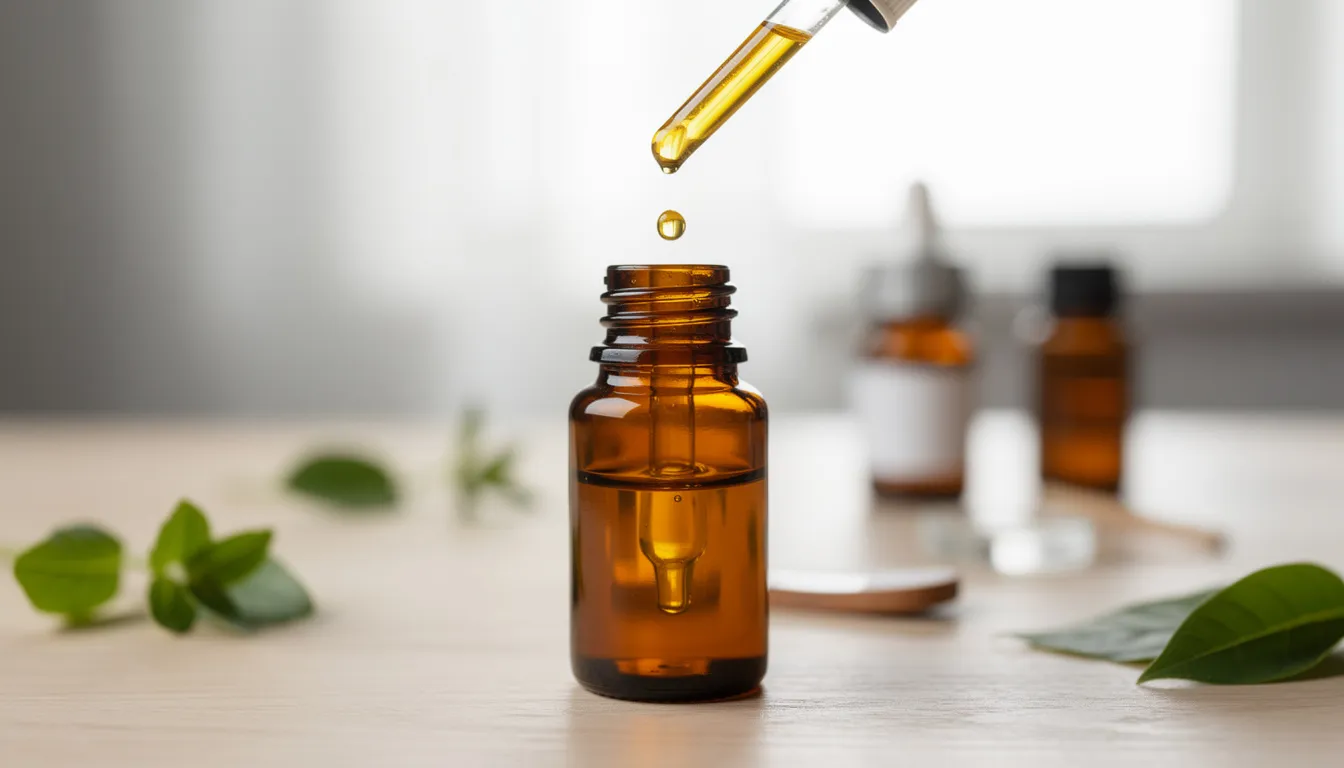
Oregano Oil and Biofilms: Why This Matters for Stubborn Infections
Biofilms are communities of bacteria embedded in a protective polysaccharide matrix, making them up to 1000 times more resistant to antibiotics and immune system responses. These structures are implicated in approximately 80% of chronic infections, including device-associated bacteremia and persistent SIBO.
Oregano oil can break down bacterial biofilms, allowing it to eliminate bacteria like MRSA and P. aeruginosa even within these protective layers.
Understanding Biofilm Formation
Biofilms develop through predictable stages:
- Attachment: Planktonic (free-floating) bacteria attach to a surface
- Microcolony formation: Cells multiply and begin producing protective matrix
- Maturation: Full biofilm develops with complex architecture
- Dispersal: Cells break off to colonize new surfaces
Traditional antibiotics struggle because the matrix limits penetration and bacteria within biofilms have slowed metabolism,
making them less vulnerable to drugs targeting active growth.
How Oregano Oil Targets Biofilms
Experimental findings indicate that oregano essential oil may:
- Inhibit initial adherence of certain bacteria to surfaces (50-80% reduction in S. aureus models)
- Disrupt established biofilms or reduce their mass in lab models (up to 70% reduction in microtiter assays)
- Interfere with quorum sensing systems bacteria use to coordinate biofilm behavior, including autoinducer-2 signaling
Research shows oregano oil can kill biofilm-embedded bacteria nearly as effectively as planktonic cells by perturbing membrane proteins, lipids, ATPase function, and efflux pump activity. This bactericidal property contrasts sharply with many antibiotics that poorly penetrate biofilm structures.
Clinical Limitations
Most biofilm research has been conducted in vitro on plates or in microtiter wells, not in human clinical biofilm infections. Therefore, oregano oil should be viewed as a promising adjunctive strategy under further study, not a stand-alone cure for device-associated infections or chronic biofilm-related conditions.
How to Use Oregano Oil Safely for Antibacterial Support
Oregano oil is highly concentrated, with undiluted preparations containing over 80% phenolic compounds. This potency demands careful use, preferably under healthcare supervision, especially when addressing bacterial issues.
Common Forms and Routes
Oral drops: Typically 2-6 drops per day diluted in carrier oil (such as olive oil) or water-based emulsions, sometimes used for respiratory concerns like bronchitis under professional guidance. Bioavailability peaks with lipid carriers, with a half-life of approximately 2-4 hours.
Softgels or capsules: Provide more controlled dosing, typically standardized to 50-70% carvacrol content, with doses ranging from 150-500 mg in research protocols and can be combined with black seed oil and oregano oil supplements in some wellness routines.
Topical application: Diluted at approximately 1:4 ratio in carrier oil for localized skin support, ideally using pure wild Mediterranean oregano oil. Patch testing is essential before broader application.
Mouth rinses: Rare and carefully formulated, used under dental or professional guidance without swallowing significant amounts, and distinct from antiparasitic uses of oregano oil that require separate dosing and precautions.
Usage Guidance
- Follow product label instructions for Wild Mediterranean Oregano Oil or directions from your healthcare provider
- Consider cycling usage (2-4 weeks on, then a break) rather than continuous high-dose use for months to reduce risk of gut-microbiome disruption
- Start with lower amounts to assess tolerance
Key Safety Considerations
Digestive Effects
- Can cause GI upset, heartburn, or burning sensations in 10-20% of users
Blood Thinners
- May potentiate anticoagulation and affect bleeding risk
Blood Sugar
- Can influence glucose levels and potentially interact with diabetes medications
Allergies
- Cross-reactivity with Lamiaceae family (mint, basil, sage) affects 5-10%
Pregnancy/Lactation
- Functions as uterine stimulant; avoid oregano oil during pregnancy unless cleared by clinician
Children
- Not recommended for those under 6 years without medical supervision
When to Avoid Oregano Oil
Oregano oil is not an emergency treatment for severe infections such as sepsis, pneumonia, meningitis, or complicated UTIs. Delaying proper antibiotic therapy for serious infections can be life-threatening. If you suspect a significant bacterial infection, seek medical attention immediately.
Wild Mediterranean Oregano Oil, available since 1993, focuses on high-carvacrol, wild-harvested Mediterranean oregano and offers phone support at 1-800-326-2001 for product-related questions. Note that this line provides product information only, not medical diagnosis or treatment advice.
Choosing a High-Quality Wild Mediterranean Oregano Oil
Antibacterial potential depends heavily on plant species, growing conditions, and extraction methods. Inferior oils with less than 40% carvacrol show 2-5 times higher MICs in research, meaning significantly reduced effectiveness.
Key Quality Markers
Species identification: Look for Origanum vulgare subspecies hirtum from the Mediterranean region, not ornamental “oregano-like” plants or Mexican oregano, which contains different active compounds.
Carvacrol content: Research-grade natural oils often report carvacrol percentages of 70-85%. Transparent brands provide this information on labels or certificates of analysis.
Extraction method: Steam distillation of aerial parts (leaves and flowering tops) at temperatures below 100°C preserves volatile compounds. Avoid products using synthetic additives or hexane extraction.
Best Practices in Sourcing
- Wild or mountain-grown Mediterranean oregano from the oregano plant in its natural habitat
- Harvesting from rocky, mineral-poor soils where environmental stress boosts phenolic acids content by 20-50%
- Cool, dark storage after distillation to prevent oxidation (shelf life 2-3 years)
Why Wild Mediterranean Oregano Oil Meets These Standards
With over 30 years of experience since 1993, Wild Mediterranean Oregano Oil specializes in:
- Wild-sourcing from traditional Mediterranean growing regions
- Batch transparency and quality testing
- Clear dilution instructions
- Responsive customer service at 1-800-326-2001
- Direct shipping to customers throughout the US and Canada
When evaluating any oregano oil brand, look for lot numbers, third-party laboratory testing, and clear usage guidelines. These markers indicate a commitment to quality that aligns with research-grade specifications for antimicrobial agents.
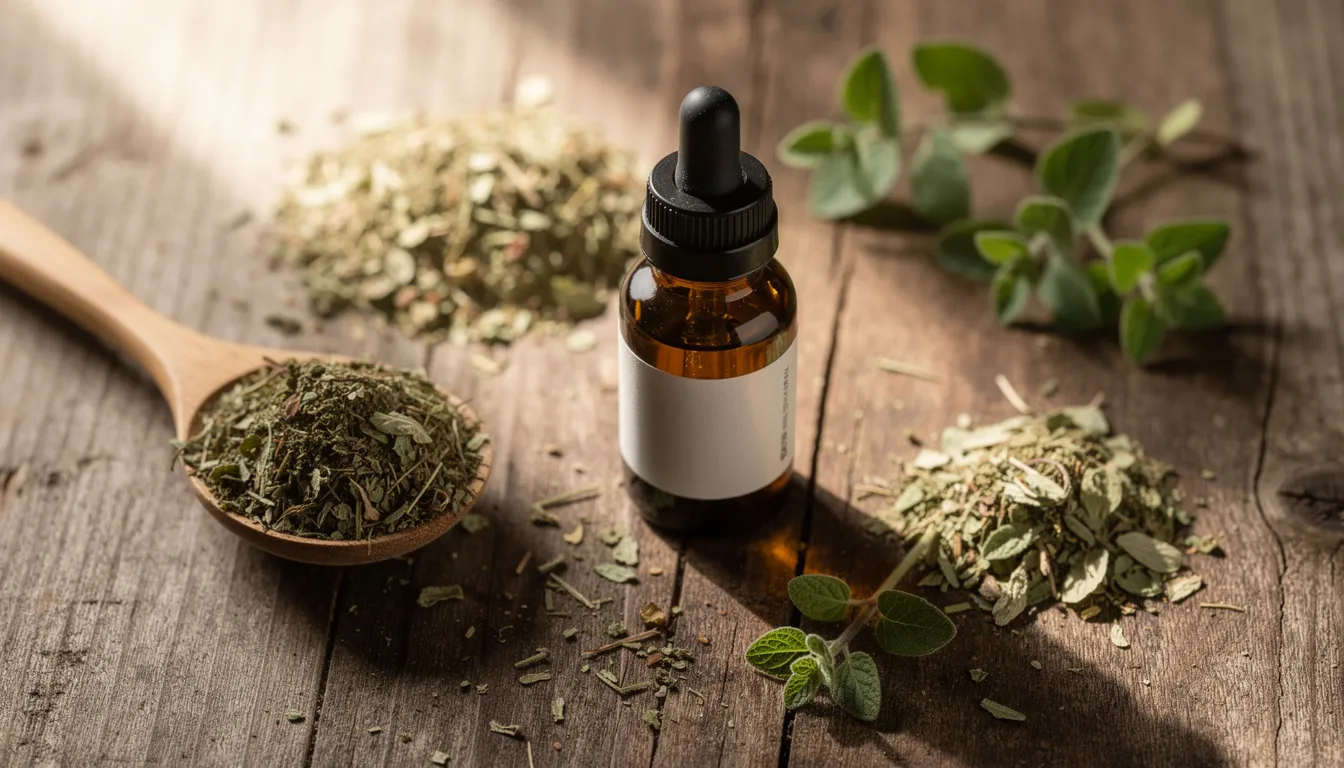
Frequently Asked Questions About What Bacteria Does Oregano Oil Kill
Does oregano oil kill “good” bacteria as well as harmful bacteria?
In test tube studies, oregano oil can inhibit many different bacterial species without distinguishing beneficial flora from pathogens. Both show similar MICs of 0.1-0.5 mg/mL for common probiotic species like Lactobacillus and Bifidobacterium.
This broad-spectrum activity means excessive or prolonged use might reduce beneficial gut flora diversity by 20-40% in gut models. When oregano oil is used internally, it should generally be for limited periods under professional guidance. Many practitioners recommend post-course probiotic support to help restore the microbiome, though more research is needed to define exactly how different doses and durations impact overall health of the gut ecosystem.
Can oregano oil replace antibiotics for infections?
No. Oregano oil should not replace prescribed antibiotics for serious or systemic infections such as pneumonia, kidney infections, or sepsis. While laboratory studies show promising antibacterial and even synergistic effects with some standard antibiotics, these findings do not substitute for full-scale clinical trials and established treatment protocols.
The scientific literature positions oregano oil as potential valuable adjuvants in alternative medicine approaches, not do-it-yourself replacements for proven medical care. Always discuss complementary options with your healthcare provider, particularly for infections requiring professional treatment.
How quickly does oregano oil start to work against bacteria?
In laboratory settings, oregano oil can kill infectious organisms within 2-8 hours depending on concentration and strain, achieving 3+ log reductions. However, real-world effects in the human body are slower and influenced by absorption, metabolism, and the complexity of infections.
People using oregano oil for mild issues like occasional digestive discomfort or when applied topically to minor concerns may notice changes within days to weeks. Chronic conditions are more variable and must be monitored by a professional. Lack of improvement or worsening symptoms within 48-72 hours signals the need for prompt medical attention.
Is oregano oil effective against viral infections, or only bacteria?
This article focuses on antibacterial activity, but some studies suggest oregano oil oregano oil naturally demonstrates antiviral and antifungal activity in vitro. Research shows 50-90% inhibition of herpes and influenza envelope viruses at 0.1% concentrations, plus anti inflammatory properties that may provide supportive benefits during illness.
Activity against candida albicans (a common cause of fungal infections) shows MICs around 0.03 mg/mL in laboratory conditions.
However, evidence for antiviral use in humans is far more limited than for antibacterial effects. Oregano oil should not be relied upon alone for serious viral infections like influenza, COVID-19, or the common cold. Follow public health and medical guidance for viral illnesses, considering oregano oil, if at all, as a supportive measure under professional advice.
Can I use oregano oil every day for prevention?
There is no universally accepted “oregano oil safe daily preventive dose” established by large clinical trials. Continuous daily use of concentrated oil may not be appropriate for everyone and could potentially affect the microbiome or cause sensitization over time.
Many practitioners, when they recommend oregano oil, prefer time-limited courses—for example, 10-14 days per month or several weeks with breaks—tailored to the individual’s health status. Discuss any plan for regular oregano oil use with a healthcare provider, especially if you take medications, have chronic conditions, are pregnant, or are considering use for children. The immune system benefits most from targeted, strategic supplementation rather than continuous high-dose exposure.
Ready to explore high-quality oregano oil? Wild Mediterranean Oregano Oil has delivered premium, wild-harvested oregano drops since 1993. With a focus on high-carvacrol Mediterranean sources and direct shipping throughout the US and Canada, we’re committed to quality you can trust. For product questions, call 1-800-326-2001—and always consult your healthcare provider for medical concerns.