Oregano Oil for Candida: How Wild Mediterranean Oregano Targets Yeast Naturally
Candida overgrowth affects millions of people, manifesting as persistent bloating, recurring thrush, skin issues, and that frustrating brain fog that won’t lift. This guide is for individuals seeking natural alternatives to conventional antifungal treatments for Candida overgrowth. As we move through 2026, more individuals are turning away from repeated rounds of conventional antifungals toward natural compounds with potent antimicrobial activity. Wild Mediterranean oregano oil has emerged as one of the most researched botanical options for targeting Candida naturally. Ready to start your healing journey? Order Wild Mediterranean Oregano Oil now and experience its powerful benefits.
Understanding oregano oil’s role in Candida protocols is crucial because it offers a promising, research-backed approach to managing yeast overgrowth, potentially improving digestive health, immune function, and overall well-being. Discover our high-quality products designed for Candida support on the order page.
What is Candida?
Candida is a genus of yeast (a type of fungus) that naturally lives in small amounts in the human body, particularly in the mouth, gut, and vaginal tract. However, when the balance of microorganisms is disrupted—due to factors like antibiotics, high-sugar diets, or immune suppression—Candida can multiply excessively, leading to a condition known as Candida overgrowth or candidiasis. This overgrowth can cause a range of symptoms, from digestive discomfort to skin and mucosal infections.
Key Takeaways
- Carvacrol and thymol-rich wild Mediterranean oregano oil can help disrupt Candida albicans growth, biofilms, and adhesion when combined with a low-sugar diet and probiotics. These powerful compounds work by damaging fungal cell membranes and blocking yeast survival tactics.
- Wild Mediterranean Oregano Oil products (capsules and liquid oil) provide standardized, high-carvacrol oregano extract designed specifically for gut support and Candida protocols, offering consistent potency that generic supplements often lack. Secure your supply today by visiting our order page.
- Oregano oil is potent and must be used correctly: appropriate dosage ranges of 100-200 mg standardized extract, cycling periods of 6-12 weeks, and separation from probiotics by at least 2-3 hours to protect beneficial bacteria.
- Safety matters: oregano oil is not recommended during pregnancy, requires caution with certain medications, and users should start low to minimize digestive upset or die-off reactions. Always consult a healthcare professional before beginning any antifungal protocol.
- Oregano oil works best as part of a comprehensive strategy including dietary changes, probiotic support, and lifestyle modifications—it’s a powerful tool, not a standalone cure.
What Is Oregano Oil & Why It Matters for Candida Overgrowth?
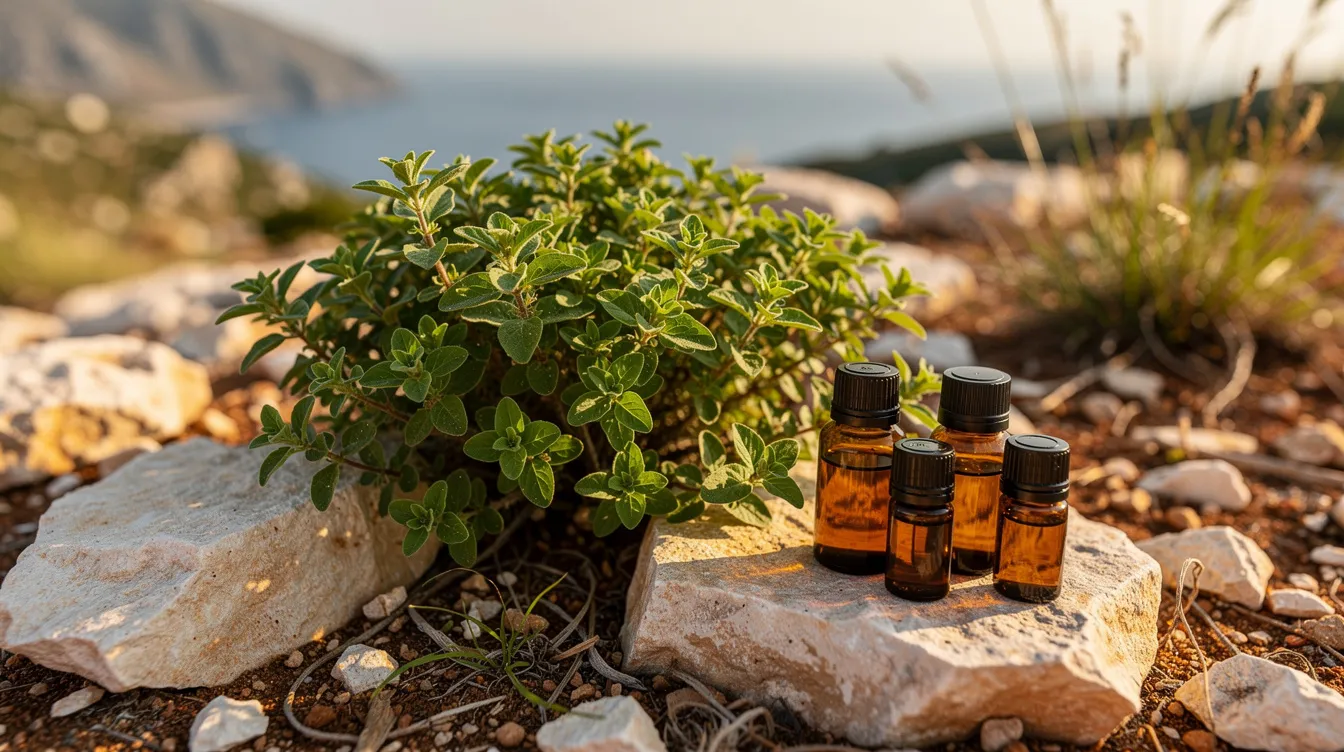
The oregano oil used for Candida protocols is a concentrated plant extract from Origanum vulgare—not the dried herb sitting in your spice cabinet. This distinction matters significantly when addressing fungal infections.
Why does this matter for health outcomes?
Choosing the right form and concentration of oregano oil can make a significant difference in the effectiveness of a Candida protocol, supporting better gut health and reducing the risk of persistent or recurring symptoms. Find premium oregano oil with standardized active compounds on our
order page.
Understanding the different forms helps clarify what actually works:
| Type | Concentration | Use Case |
|---|---|---|
| Wild Mediterranean oregano oil | 70-80% carvacrol | Candida protocols, gut health support |
| Oregano essential oil | Highly concentrated | Diluted topical or encapsulated internal use |
| Culinary oregano-infused oils | Under 1% phenols | Cooking only—too weak for antifungal action |
Wild Mediterranean Oregano Oil products contain oregano leaf extract standardized for high phenolic content, specifically carvacrol and thymol. These active compounds perform several critical functions against Candida:
- Membrane disruption: Carvacrol inserts itself into fungal cell membranes, altering permeability and causing cellular contents to leak out. This leads to rapid yeast cell death.
- Adhesion interference: The phenolic compounds prevent Candida from attaching firmly to gut linings and mucosal surfaces—a crucial first step in colonization.
- Morphology control: Candida becomes more dangerous when it shifts from yeast form to its filamentous form (hyphae). Oregano oil helps reduce this hyphal switching and limits biofilm formation.
What is a hyphae?
A hypha (plural: hyphae) is a long, branching filamentous structure of a fungus. In Candida, the transition from yeast to hyphal form increases its ability to invade tissues and form biofilms, making infections more persistent and difficult to treat.
Lab studies from 2018-2024 consistently demonstrate oregano oil inhibiting Candida albicans and non-albicans species, including drug-resistant strains that don’t respond well to conventional treatments. Test tube studies show inhibition zones of 38-68 mm for direct contact applications, mirroring findings from broader oregano oil benefits studies and research and detailed analyses of wild Mediterranean oil of oregano micro ingredients like carvacrol and thymol.
However, oregano oil doesn’t “cure” Candida alone. It functions as a key component within a broader protocol including diet modification, gut support, stress management, and working with a healthcare provider. To get started with high-quality oregano oil, visit our order page.
Now that we've covered what oregano oil is, let's explore how it works against Candida.
How Oregano Oil Fights Candida: Mechanisms & Research
Oregano oil acts on Candida through several complementary pathways: direct killing of yeast cells, blocking survival tactics like biofilms, and enhancing the effects of other antifungals. This multi-angle approach makes it more difficult for Candida to develop resistance compared to single-target interventions.
What is a biofilm?
A biofilm is a structured community of microorganisms, such as bacteria or fungi, encased in a self-produced protective matrix that adheres to surfaces. In the context of Candida, biofilms form on mucosal surfaces or medical devices, shielding the yeast from immune responses and antifungal treatments, making infections harder to eradicate.
Direct Antifungal Activity Against Candida
In vitro and animal model research demonstrates that oregano oil delivers measurable antifungal effects:
- Inhibits growth of Candida albicans and other Candida species at relatively low concentrations
- Damages fungal cell membranes, causing leakage and eventual cell death
- Reduces replication rates and colony size by up to 4 log CFU reductions in some biofilm studies
Carvacrol drives much of this antifungal action. In high-quality wild Mediterranean oregano oil, carvacrol typically comprises 60-80% of the phenolic content. This compound inserts into lipid bilayers of cell membranes, disrupting their integrity and interfering with energy production.
Thymol serves as a supportive compound that:
- Further destabilizes fungal cell walls
- Interferes with essential enzymes
- Disrupts energy metabolism pathways
Research from 2020 published in Frontiers journals showed carvacrol inducing apoptosis-like death in Candida via calcium signaling disruptions, reactive oxygen species accumulation, and mitochondrial dysfunction. These are the same compounds found in standardized extract formulations from Wild Mediterranean Oregano Oil.
For access to these potent compounds, consider ordering standardized oregano oil supplements at our official store.
Disrupting Biofilms and Candida “Survival Tactics”
Biofilms represent one of the biggest challenges in addressing Candida. These slimy, protective layers form on surfaces including the gut lining, oral mucosa, vaginal tissue, and even medical devices like catheters. Once established, biofilms shield Candida from both immune system attacks and antifungal treatments.
Oregano phenols tackle biofilms through multiple mechanisms, and phenolic compounds such as carvacrol and thymol can reduce biofilm formation by Candida species:
- Reducing biofilm mass: Studies show reductions in biofilm thickness and overall mass exceeding 83% in some models—compared to just 47% for certain conventional medications
- Decreasing metabolic activity: The yeast cells within biofilms become less active and viable
- Increasing vulnerability: Disrupted biofilms make Candida more susceptible to treatment and immune system clearance
Research from 2019-2023 confirms oregano oil also limits hyphal forms of Candida. These filament-like structures are more invasive and inflammatory than standard yeast cells, penetrating tissue and triggering stronger immune responses. Vapor-phase oregano essential oil has also shown significant antifungal activity against drug-resistant Candida biofilms.
This biofilm-disrupting capability has clinical relevance. Many people whose Candida symptoms persist despite diet changes and standard antifungals may be dealing with established biofilm communities that oregano oil can help penetrate. Explore our product options designed to target biofilms effectively.
Synergy With Other Antifungals and Gut-Supportive Agents
Oregano oil demonstrates enhanced effectiveness when combined with other interventions:
Complementary botanical and fatty acid pairings:
Additional synergistic options, such as
combining oil of oregano with black seed oil, may further support immune balance and microbial control when used appropriately.
- Caprylic acid (from coconut oil)
- Berberine
- Garlic extract
- Olive leaf extract
Pharmaceutical synergies:
Early research and practitioner reports indicate oregano oil may enhance fluconazole or nystatin effects, and early work also compares these combinations with broad-spectrum antifungal agents such as amphotericin B, potentially allowing lower pharmaceutical doses while maintaining efficacy.
Probiotic integration:
Combining oregano oil with targeted probiotics like Saccharomyces boulardii creates a two-pronged approach—reducing Candida while supporting beneficial microbiota restoration. Studies suggest 72% gut health restoration improvements when multi-agent strategies are employed.
Wild Mediterranean Oregano Oil capsules serve as a versatile component that slots into many integrative Candida protocols. The standardized high-carvacrol delivery provides consistent antifungal properties session after session, similar to other top rated Wild Mediterranean oregano oil offerings used for broader immune and antifungal support. Secure your supply today on our order page.
With a clear understanding of how oregano oil works against Candida, let’s look at the different forms available and how to choose the right one for your needs.
Forms of Oregano Oil for Candida (and How Wild Mediterranean Oregano Oil Fits In)
Not all oregano products deliver equal results for Candida work. Concentration, standardization, and delivery form determine whether you’re getting therapeutic benefit or just expensive flavoring.
Key forms to understand:
| Form | Best For | Considerations |
|---|---|---|
| Standardized oregano oil capsules | Internal gut/systemic Candida support | Precise dosing, protected delivery |
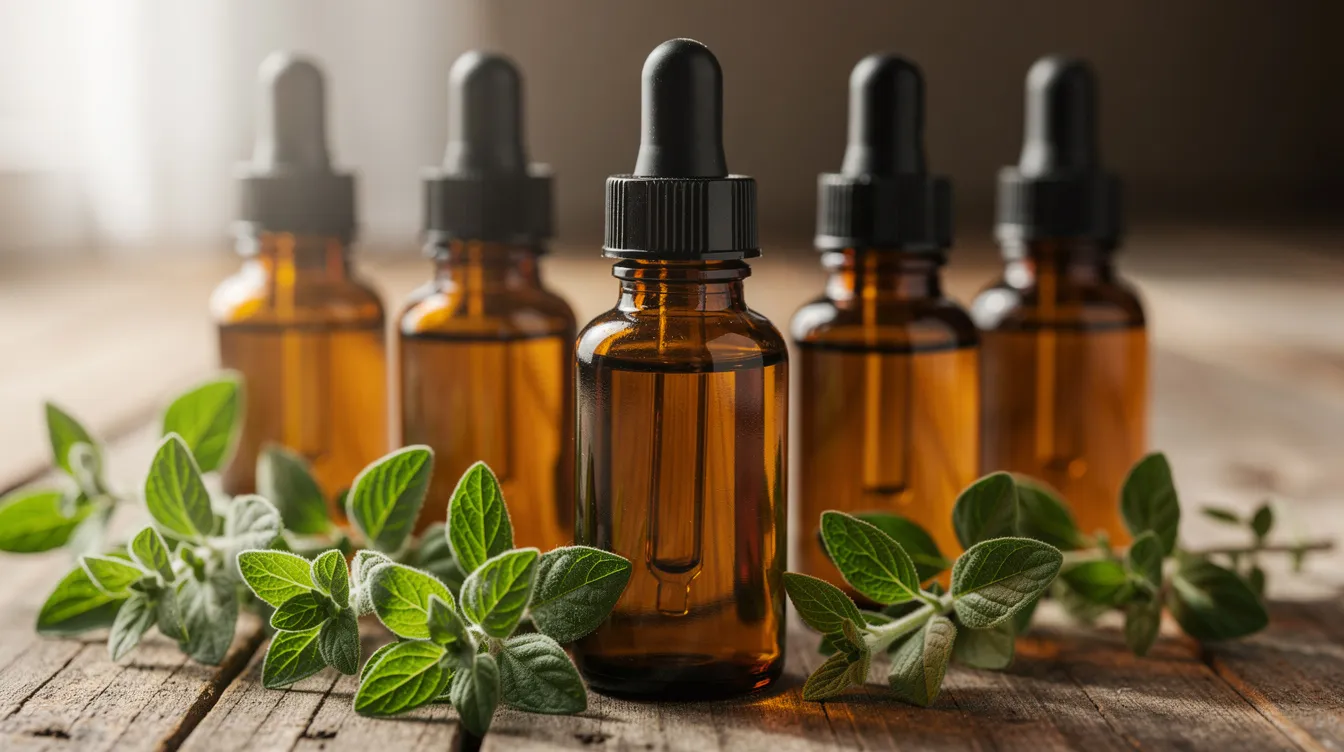
| Liquid oregano oil drops | Flexible dosing, occasional diluted topical | Requires carrier oil dilution and is available as pure Wild Mediterranean oregano oil in small bottle formats |
| Culinary dried oregano | Cooking, general antioxidants | Too mild for focused antifungal use |
Wild Mediterranean Oregano Oil products offer distinct advantages for Candida protocols:
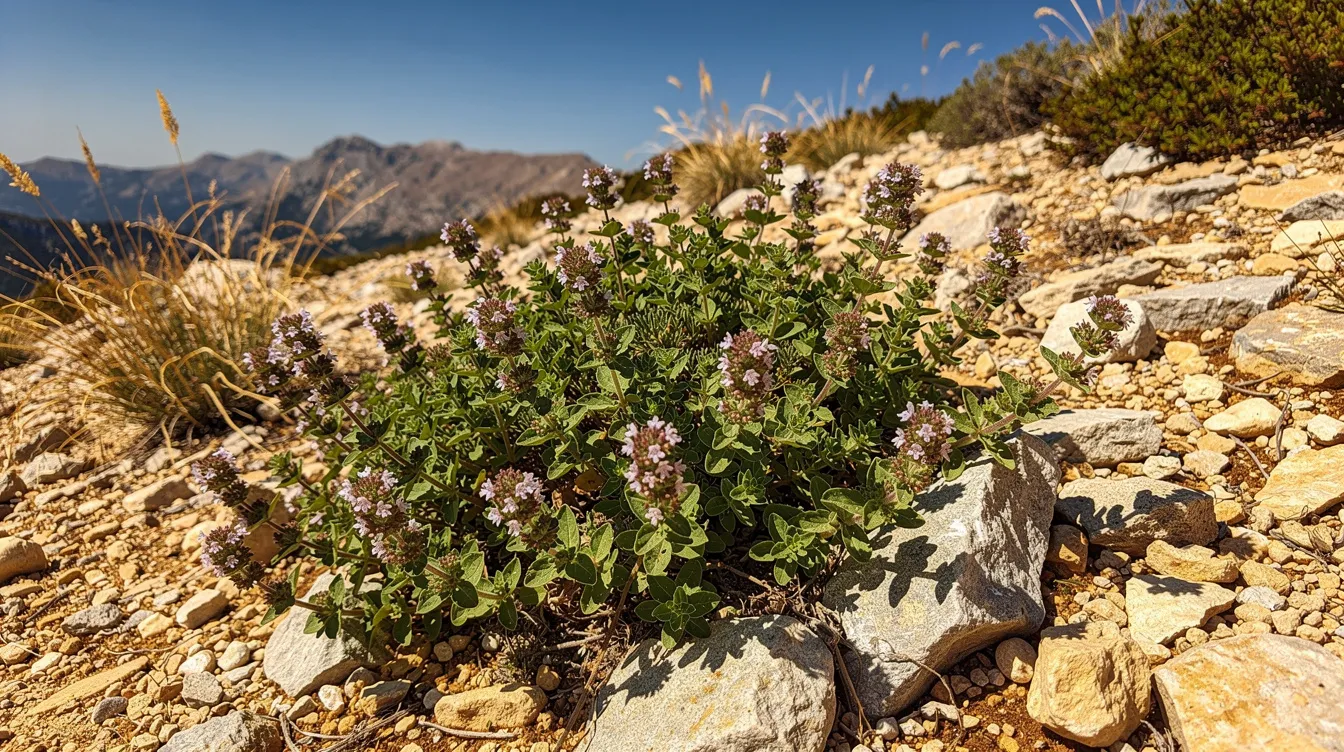
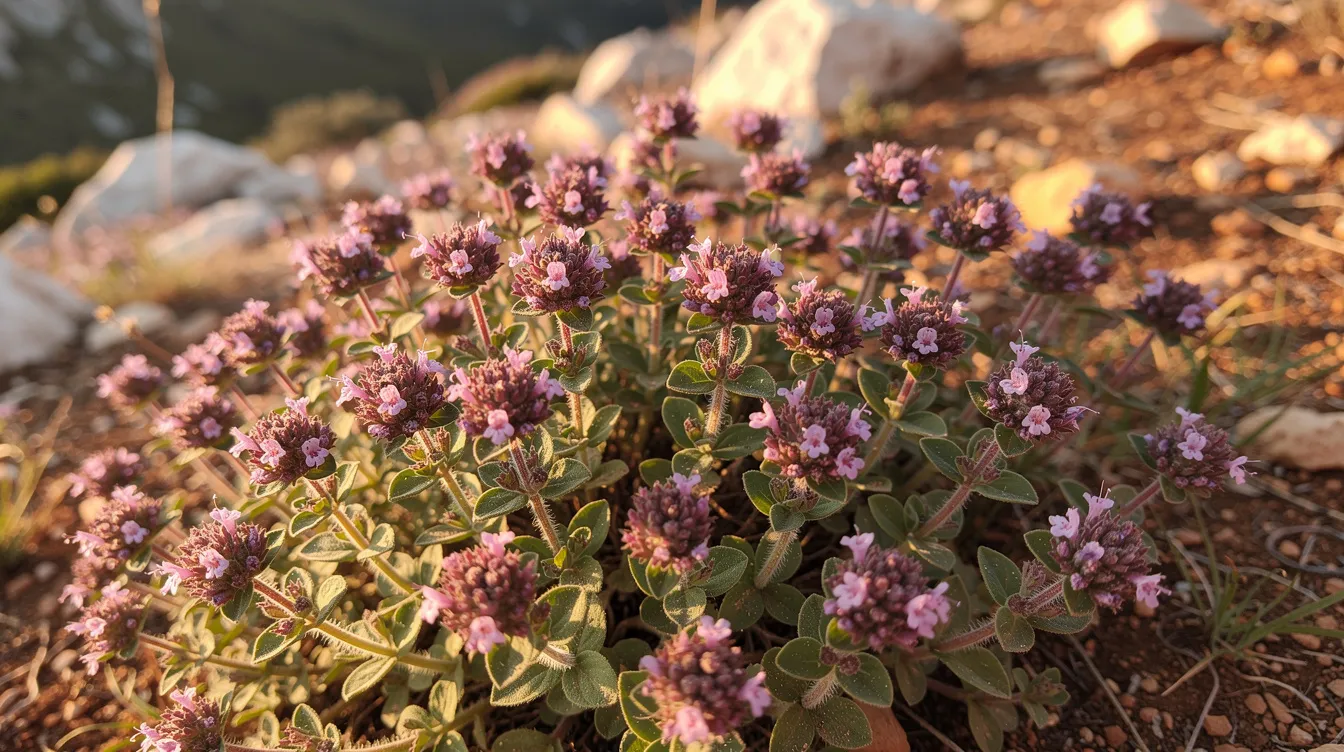
- Wild-harvested Mediterranean origin: Sourced from Origanum vulgare growing in its native Mediterranean environment, where the oregano plant develops higher concentrations of beneficial phenols
- High, standardized carvacrol content: 70-80% carvacrol ensures consistent potency across batches
- Capsule form options: Designed for internal gut and systemic Candida support with digestive comfort in mind
- Liquid oil availability: Provides flexible dosing and allows occasional topical applications when appropriate
These products compare favorably to generic oregano supplements that often lack standardization, testing verification, or sufficient active compound levels to provide meaningful antifungal activities. Purchase genuine, standardized oregano oil from our trusted order page.
Dosage, Timing & How to Use Oregano Oil for Candida
Oregano oil is very potent. Proper dosing, cycling, and timing are essential for both results and safety. The recommended dose varies based on concentration, individual tolerance, and protocol goals.
Individuals should follow product labels and consult a healthcare provider, especially those with chronic conditions, taking medications, or dealing with recurrent candidiasis.
Typical Dosage Ranges
General guidance for educational purposes (not personal medical advice):
Capsule form:
- Common range: 100-200 mg of standardized wild Mediterranean oregano oil extract
- Frequency: 1-3 times daily with food
- Wild Mediterranean Oregano Oil capsules provide specific label directions for their concentration
Liquid oil:
- Typical dose: 2-4 drops diluted in water or carrier oil
- Frequency: Once or twice daily, depending on concentration
The “start low and go slow” approach:
- Begin at the lower end of dosing for 3-7 days
- Monitor tolerance and symptom response
- Increase gradually if well-tolerated
- Note any digestive changes or die-off reactions
Sensitive individuals—those with history of reflux, IBS, or histamine issues—often do best with the lowest effective dose or alternate-day use initially. Always follow the specific Wild Mediterranean Oregano Oil product directions for your chosen form. Order your standardized capsules or liquid oil today from our official order page.
Best Timing and Combining With Probiotics
Taking oregano oil with meals reduces common side effects like heartburn, nausea, or throat irritation. The food buffer is especially helpful with capsule form consumption.
Critical timing principle:
Separate
oregano oil and probiotics by at least 2-3 hours.
Sample daily schedule:
- Morning (with breakfast): Oregano oil dose
- Midday (with lunch): Optional second oregano oil dose
- Mid-afternoon or bedtime: Probiotic supplement
This separation allows oregano oil to target Candida and problematic microbes while giving beneficial bacteria a “clean window” to colonize without being affected by the broad-spectrum antimicrobial activity.
Taking oregano oil with a small amount of healthy fat—olive leaf oil, avocado, or nuts—improves absorption and reduces stomach upset.
Length of Use and Cycling Protocols
Typical Candida protocols span 6-12 weeks of targeted antifungal support. Many practitioners recommend cycling rather than continuous use:
Common cycling approaches:
- 14-21 days on, 5-7 days off
- 4 weeks on, 1 week off
- Shorter 4-week courses for mild imbalances
Protocol duration guidelines:
| Situation | Typical Duration |
|---|---|
| Occasional bloating, intermittent thrush | 4-6 weeks |
| Moderate, recurring symptoms | 8-12 weeks |
| Long-standing or systemic Candida | 12+ weeks, supervised |
Tracking progress:
- Digestive symptoms (bloating, irregular stools, gas)
- Vaginal or skin yeast symptoms
- Energy levels and brain fog
New or worsening symptoms beyond expected die-off should be discussed with a practitioner. Long-term, continuous use above label doses is not recommended without professional guidance.
With dosing and timing covered, let’s move on to safety considerations for using oregano oil.
Using Wild Mediterranean Oregano Oil Safely
While oregano oil is natural, its potency requires respect and informed use. The same powerful antioxidant and antimicrobial properties that make it effective against Candida can cause issues if used incorrectly.
Safety depends on correct form (standardized extract vs undiluted essential oil), route of administration, and individual factors like age, pregnancy status, medications, and gut sensitivity.
Internal Use: Capsules and Diluted Liquid
Internal use for Candida is best accomplished with:
- Enteric-coated or delayed-release capsules of standardized wild Mediterranean oregano oil
- Properly diluted liquid oil mixed in water, juice, or a carrier oil per label directions
Benefits of capsule form:
- Protects upper GI tract from irritant effects
- Delivers more active phenols to small intestine and colon where Candida often resides
- Provides precise, consistent dosing with each use
- Offers better tolerance than liquid forms for many users
Critical warning:
Never ingest undiluted essential oil drops directly under the tongue or in the mouth. Steam distillation creates highly concentrated oregano essential oil that can cause burning, irritation, and tissue damage when used undiluted.
Wild Mediterranean Oregano Oil capsules are formulated for gut support and digestive comfort, making them suitable for extended Candida protocols. Purchase authentic capsules and oils safely from our order page.
Topical and Vapor-Phase Approaches
For skin or nail fungal infections, including stubborn issues like toenail fungus treated with Wild Mediterranean oregano oil, oregano essential oil must be:
- Heavily diluted in a carrier oil (1 drop per teaspoon of carrier)
- Patch-tested on a small skin area first
- Applied topically only to intact skin, avoiding eyes and mucous membranes
Research on vapor-phase oregano essential oil has shown promising results for respiratory and mucosal applications, similar in concept to protocols using oregano oil for bronchitis and other airway infections and its use to support respiratory health and combat seasonal allergies:
- Significant reduction against resistant Candida biofilms on mucosal models
- Reduced biofilm metabolic activity by approximately 2 log CFU
- Lower contact-related side effects compared to direct application
- Potential future applications for vaginal candidiasis
Any vaginal or mucosal application should be guided by a clinician familiar with essential oils. DIY intravaginal use is not recommended due to irritation risks.
Who Should Avoid or Use Extra Caution
Clear contraindications:
- Pregnancy (potential teratogenic risks)
- Nursing (use only under professional guidance)
- Children (internal use typically reserved for adults unless prescribed by pediatric practitioner)
- Known oregano or Lamiaceae (mint family) allergies
Potential interactions:
In protocols that also address gut pathogens or
parasites with oil of oregano, it becomes even more important to review medications and health history with a practitioner.
- Blood thinners: Oregano oil may theoretically affect clotting
- Antidiabetic medications: May influence blood sugar or drug metabolism
- Immune-modulating medications: Consult healthcare provider before combining
Possible side effects:
- GI upset (nausea, burning, loose stools) in approximately 5-10% of users
- Temporary symptom increase from Candida die-off (headache, fatigue, mild flu-like feelings lasting 1-7 days)
- Skin irritation with undiluted or high-strength topical use
Stop use and seek medical support immediately if experiencing severe reactions: difficulty breathing, hives, intense abdominal pain, or persistent vomiting. These may indicate allergic reaction requiring immediate attention.
With safety guidelines in mind, let’s see how oregano oil fits into a comprehensive Candida management strategy.
Oregano Oil as Part of a Comprehensive Candida Strategy
Candida overgrowth is multi-factorial, driven by antibiotic use, high-sugar diets, chronic stress, and hormonal fluctuations. Oregano oil is powerful but works best alongside diet, microbiome support, and lifestyle changes addressing root causes.
Wild Mediterranean Oregano Oil fits into a broader plan by:
- Targeting fungal overgrowth directly with its anti-inflammatory properties and antifungal effects
- Supporting gut microbiota reset when paired with probiotics and prebiotics
- Complementing anti-inflammatory, low-sugar nutrition approaches
Complementary strategies for comprehensive Candida protocols:
- Diet modification:
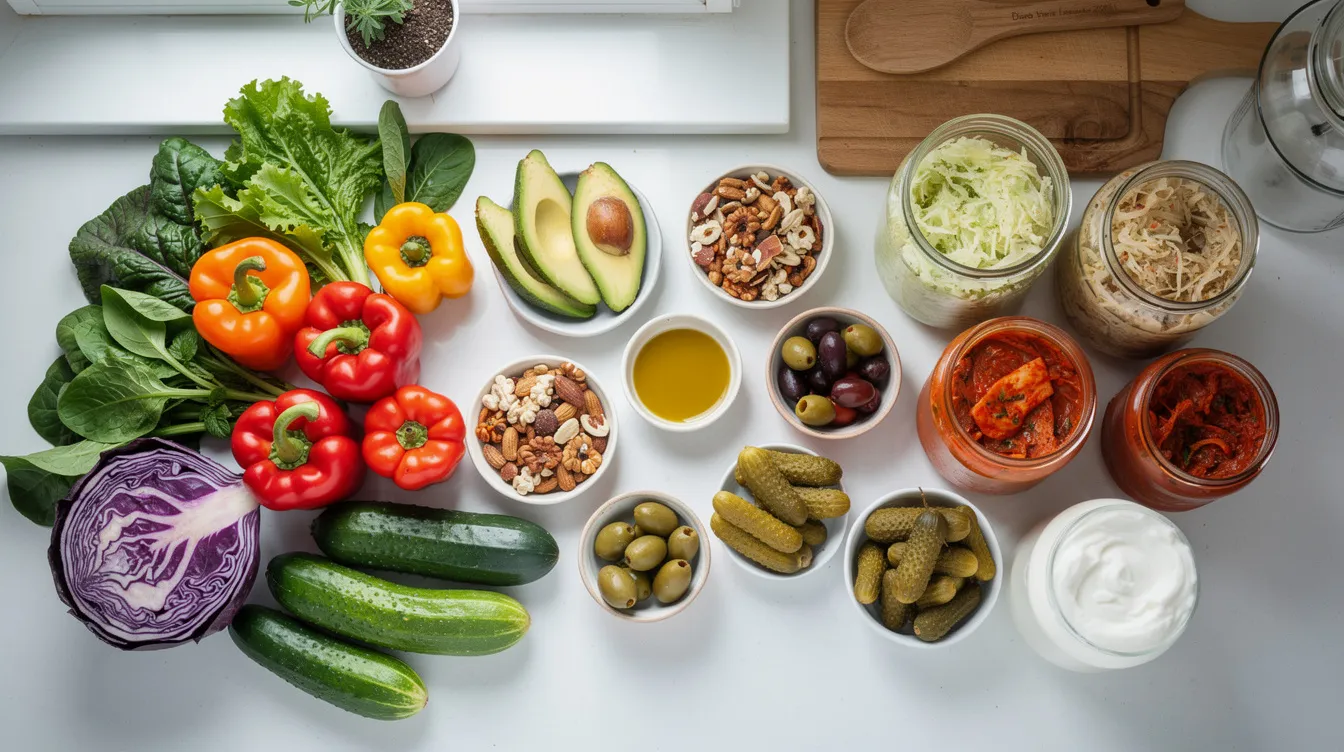
- Low-sugar, low-refined-carb eating emphasizing non-starchy vegetables, quality proteins, and healthy fats minimizes yeast fuel
- Food elimination:
- Avoid or minimize alcohol and ultra-processed foods during active Candida protocols
- Probiotic support:
- High-quality probiotics and Saccharomyces boulardii help outcompete Candida
- Detox support:
- Adequate hydration (2-3 liters daily), fiber (25-35g), gentle movement, and quality sleep support elimination
- Stress management:
- Chronic stress compromises immune system function and gut health
Research indicates 72% gut health restoration improvements when combining oregano oil with comprehensive dietary and probiotic protocols, with 34% faster immune recovery compared to placebo groups.
Work with integrative or functional practitioners familiar with wild Mediterranean oregano oil and Candida-focused protocols, especially for long-standing or systemic cases. While early evidence and test tube studies are encouraging, individualized guidance ensures the safest and most effective approach for your specific medical condition.
To access premium oregano oil products that support this holistic approach, visit our order page.
Next, let’s review how to select and purchase high-quality oregano oil for your Candida protocol.
Where to Buy Oregano Oil for Candida (Featuring Wild Mediterranean Oregano Oil)
Product choice significantly affects both efficacy and tolerance. Carvacrol percentage, purity verification, and thoughtful formulation distinguish effective supplements from generic options that may disappoint.
Wild Mediterranean Oregano Oil offerings:
| Product | Best For | Key Features |
|---|---|---|
| Standardized Oregano Oil Capsules | Internal gut/systemic support | Precise dosing, enteric protection |
| Wild Mediterranean Oregano Liquid Oil | Flexible dosing, diluted topical use | Carrier oil base, versatile application |
What sets Wild Medite
- Sourcing: Wild-harvested Origanum vulgare from Mediterranean regions where growing conditions optimize phenol production
- Standardization: 70-80% carvacrol content verified for consistent potency
- Testing: Third-party verified for purity, potency, and contaminant screening
- Formulation: Designed specifically for gut and Candida support with digestive comfort considerations
These products compare favorably to generic oregano supplements through consistent active compound levels batch-to-batch, thoughtful formulation reducing common side effects, and alignment with current research on effective antifungal phenol concentrations. Origanum oil from unverified sources may contain variable carvacrol levels, potentially containing rosmarinic acid or other compounds but lacking the standardization needed for reliable Candida protocols.
Purchasing guidance:
- Buy directly from Wild Mediterranean Oregano Oil or reputable retailers
- Avoid unverified marketplace sellers lacking clear sourcing information
- Look for certificates of analysis or third-party testing documentation
- Verify the product specifies “Origanum vulgare” rather than generic “oregano”
Similar standardization principles apply whether seeking oregano for Candida, addressing Staphylococcus aureus concerns, or general antimicrobial support. The same compounds that demonstrate antifungal activities also show broader antimicrobial properties useful for overall health balance.
Ready to order? Visit our secure order page to purchase authentic Wild Mediterranean Oregano Oil products today.
Frequently Asked Questions About Oregano Oil for Candida
Can oregano oil completely cure Candida overgrowth on its own?
Oregano oil is a powerful tool but not a standalone cure. Sustainable results typically require diet changes reducing sugar and refined carbohydrates, probiotic supplementation for beneficial bacteria restoration, and addressing underlying triggers like repeated antibiotics, high stress, or hormonal factors.
Many people notice improvement in symptoms within 4-12 weeks of consistent use as part of a comprehensive protocol. However, recurrent or systemic Candida can require longer, individualized plans developed with a healthcare provider familiar with functional approaches. Research from Costa de Oliveira S and colleagues, along with work by Fucale G and Scalas D on antifungal mechanisms, supports oregano oil as an effective component rather than a complete solution.
To begin your protocol with standardized oregano oil, order here.
Is cooking with oregano enough to manage Candida?
Culinary oregano—whether the fresh herb, dried herb, or infused oils—provides general health benefits and mild antimicrobial activity but contains far less concentrated phenols than standardized wild Mediterranean oregano oil supplements.
For targeted Candida protocols, a supplement delivering therapeutic concentrations of carvacrol and thymol is typically necessary. Cooking with oregano can serve as a supportive add-on for flavor and general antioxidant intake during your protocol, but the benefits of food-based oregano alone won’t match the antifungal action of a concentrated standardized extract.
Will oregano oil kill my good gut bacteria?
Oregano oil has broad-spectrum antimicrobial activity and may temporarily affect some beneficial bacteria.
Can I use oregano oil for Candida if I have a bleeding disorder or am on blood thinners?
If you have a bleeding disorder or are taking blood-thinning medications, it is important to consult your healthcare provider before using oregano oil. Due to its potential effects on blood clotting, oregano oil may increase bleeding risk or interact with your medications.
Are there any side effects associated with oregano oil for Candida treatment?
Oregano oil is generally well-tolerated when used appropriately, but some individuals may experience gastrointestinal discomfort such as nausea, heartburn, or loose stools. Starting with a lower dose and taking it with food can help minimize these side effects. If you experience severe reactions or allergic symptoms, discontinue use and seek medical advice.
How can I minimize the impact of oregano oil on my beneficial gut bacteria?
To protect beneficial gut bacteria while using oregano oil, it is recommended to separate the timing of oregano oil intake and probiotics by at least 2-3 hours. This approach helps ensure that the antimicrobial effects of oregano oil target Candida without significantly disrupting the beneficial microbiome.