
Oregano Oil for Cold Virus: Can Oil of Oregano Really Help the Common Cold?
When cold and flu season arrives, many adults turn to oregano oil as a natural support for respiratory health and immune function. But can this potent herbal extract, rich in active ingredients like carvacrol and thymol—compounds known for their antibacterial and antifungal properties—actually help you fight off a cold virus? Here’s what the research shows—and how to use it safely.
Key Takeaways
- Oregano oil (especially wild Mediterranean oil of oregano) is widely used as natural support during colds and viral infections, but it is not a proven cure for the common cold. Many studies on oregano oil’s efficacy are based on laboratory tests or animal studies, rather than extensive human clinical trials.
- Oregano essential oil and oil of oregano are different products: the first is for aromatherapy and topical use only (never swallowed), while oil of oregano is pre-diluted and may be taken internally following recommended dosage and medical guidance.
- Lab studies through 2024 show that carvacrol-rich oregano oil has antiviral, antibacterial, and anti-inflammatory properties that may support immune and respiratory health during cold and flu season.
- Wild Mediterranean Oil of Oregano (Origanum minutiflorum from Turkey, 75–80% carvacrol, blended 50% with MCT oil) fits into a winter wellness routine for adults seeking potent, wild-harvested essential oils.
- Always dilute oregano essential oil, perform a patch test before topical application, and consult a healthcare professional if you have bleeding risk, low blood sugar, are pregnant, or take existing medications.

What Is Oregano Oil? (Oregano Essential Oil vs. Oil of Oregano)
The oregano plant belongs to the Origanum genus within the mint family, long used in Mediterranean and Middle Eastern traditional medicine for digestion, infections, and respiratory complaints. Understanding the difference between product types is essential before you use oregano oil.
Oregano essential oil is a highly concentrated, steam-distilled extract from oregano leaves and shoots. It contains powerful chemical constituents and is extremely potent—typically 50–80% carvacrol. This form is meant exclusively for aromatherapy and diluted topical use. Oregano essential oil should be diluted before topical use to avoid burns or irritation, and is not safe for ingestion.
Oil of oregano is oregano essential oil that has been pre-diluted in a carrier oil (such as MCT oil, coconut oil, or olive oil). This formulation is designed for oral use when following recommended dosage and professional guidance. Oil of oregano can be consumed by adding 2 to 3 drops to water or juice, but it is important to use oil of oregano and not oregano essential oil, which is not safe for consumption.
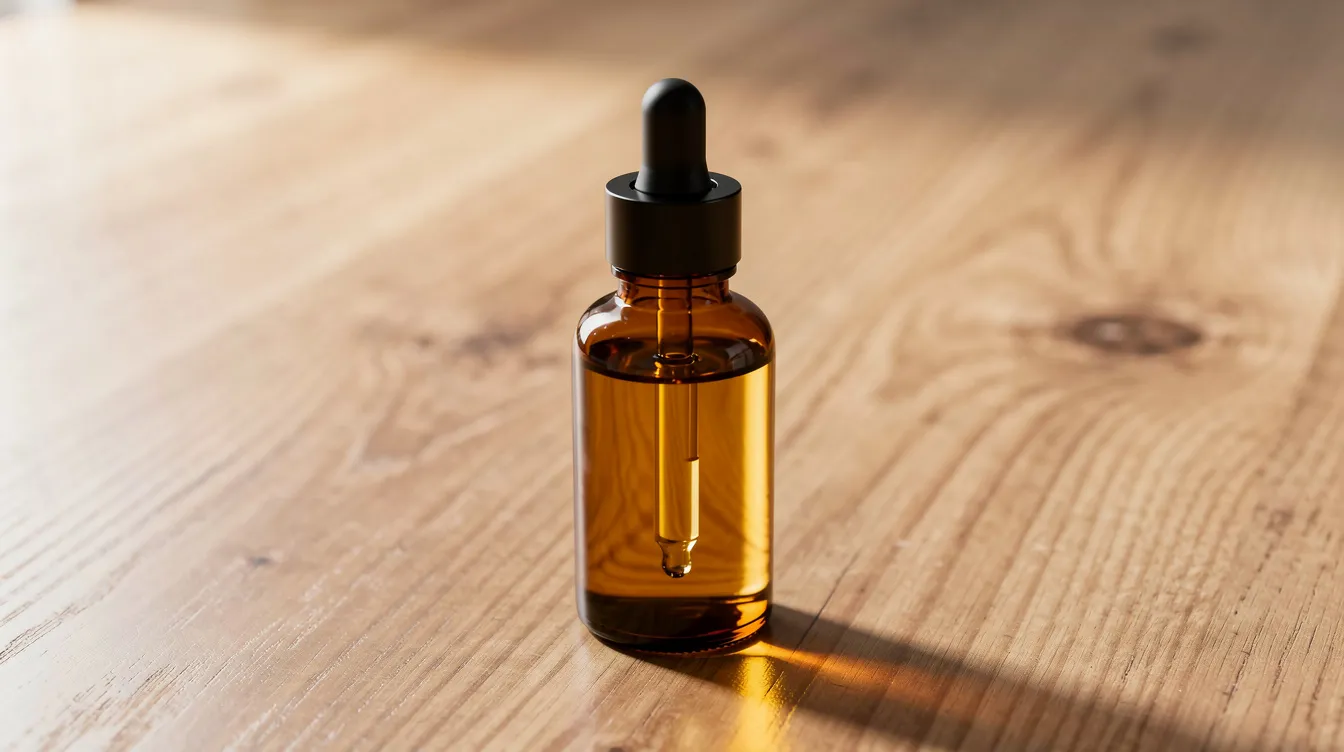
Wild Mediterranean Oil of Oregano is made from wild-harvested Origanum minutiflorum from the Turkish mountains, steam-distilled and blended 50:50 with MCT oil for safer, accurate drop dosing. Different species (O. vulgare vs. O. minutiflorum) and varying carvacrol and thymol percentages significantly change potency, so readers should always follow the specific instructions on the bottle they purchase.
How Might Oregano Oil Help with the Common Cold and Viral Infections?
The common cold is usually caused by rhinoviruses. No essential oil can “kill” a cold virus inside the human body based on current evidence, but oregano oil may support symptom relief and help prevent secondary infections. Oregano oil is also being studied for its potential to help with respiratory infections, including those beyond just the common cold.
Active Compounds and Their Mechanisms
Oregano oil is suggested to have antiviral, anti-inflammatory, and immune-supporting properties due to its active compounds, carvacrol and thymol. The main compound carvacrol and its therapeutic applications has shown antiviral activity in laboratory and cell studies against rhinoviruses and certain flu viruses by disrupting viral envelopes or replication.
Laboratory studies indicate that oregano oil can inhibit the growth of certain respiratory infection viruses, such as human adenovirus type 3 and rhinovirus. The active compounds in oregano oil, such as carvacrol and thymol, have been shown to fight off viruses like rhinovirus and some strains of influenza in laboratory settings.
Antibacterial and Antimicrobial Properties
Oregano oil possesses antimicrobial, antiviral, antibacterial, as well as antifungal properties, making it effective against various infections. The active compounds in oregano oil, particularly carvacrol and thymol, have been shown to disrupt bacterial membranes, making it difficult for pathogens to survive.
Studies indicate that oregano oil can help fight several strains of bacteria that are commonly treated with antibiotics, suggesting its potential as a natural alternative for limiting secondary bacterial issues like sinusitis or bronchitis following a cold.
Anti-Inflammatory and Immune Support
Oregano oil may help reduce pain and inflammation in the respiratory tract, which can be beneficial for those suffering from colds. The phenolic compounds can modulate inflammatory pathways, potentially easing sore throat, sinus congestion, or coughing.
Oregano oil contains antioxidants, including rosmarinic acid, which may support the immune system. Some studies have shown that oregano essential oil can alleviate cold-like symptoms in people, although more research is needed to confirm its effectiveness. Adults use oregano supplements as short-term
natural immune support during cold and flu season rather than as a replacement for medical care.
Using Oregano Essential Oil for Cold and Flu Relief (Aromatherapy & Topical)
This section covers external use of oregano essential oil only—never swallowed. It must always be diluted in a carrier oil and patch-tested first.
Dilution Guidelines
When using oregano essential oil topically, it should always be diluted with a carrier oil to prevent skin irritation, and a patch test is recommended before full application. For adults, use typical aromatherapy-style dilutions: 1–2 drops of oregano essential oil per teaspoon of carrier oil such as jojoba oil, coconut oil, or MCT oil. Never apply undiluted oregano oil directly to skin.
Steam Inhalation
Common uses of oregano oil include inhalation to relieve symptoms of congestion, as it may help loosen phlegm and clear airways. Add 1 drop oregano essential oil plus supportive oils (eucalyptus and peppermint) to a bowl of hot water. Cover your head with a towel and inhale vapors for 5–10 minutes to ease congestion.
Chest Rub Application
Dilute oregano essential oil in MCT, coconut, or jojoba oil and apply topically to chest and upper back. This may support easier breathing during respiratory illness. Avoid broken skin and mucous membranes.
Simple Aromatherapy
Place a few drops on a cotton ball near your bed or use a diffuser for short intervals during flu season to freshen air and support respiratory comfort.

How to Use Oil of Oregano Internally for Colds (Recommended Dosage & Timing)
This section focuses on ingestible oil of oregano products like Wild Mediterranean Oil of Oregano drops, which are pre-diluted and labeled for internal use in adults.
General Oral Dosing
Oregano oil is available in various forms, including capsules and liquid, and users should follow the dosage instructions provided on the packaging for supplements. Generally speaking, following label directions such as 1–4 drops diluted in water, juice, or hot tea up to several times daily during the first 3–7 days of a cold is common practice. Do not exceed manufacturer’s limits.
Starting Low and Timing
Always start with a lower dose and increase only if tolerated. Oregano’s strong flavor and potency can cause warmth or mild throat tingling. Taking oregano oil is best done at the first sign of cold or flu symptoms.
Short-Term Use Recommended
Use oil of oregano short-term during acute cold and flu episodes or peak viral seasons, rather than as a continuous year-round supplement without medical supervision. Wild Mediterranean Oil of Oregano has been offered since 1993 and is pre-blended 50% with MCT oil, allowing more precise droplet dosing for immune and respiratory wellness routines.-=
Our Wild Mediterranean Oil of Oregano: What Makes It Different?
Wild Mediterranean Oil of Oregano is an e-commerce retailer specializing in wild Mediterranean oil of oregano for immune, digestive, skin, and respiratory support since 1993, backed by growing oregano oil research and benefits data.
Plant Source: Wild-harvested Origanum minutiflorum from the high mountains of Turkey—a naturally carvacrol-rich species distinct from common culinary oregano or mexican oregano.
Extraction and Composition: Steam-distilled oregano essential oil with typical 75–80% carvacrol content, pre-blended 50% with MCT oil to create a ready-to-use oil of oregano for oral and topical adult use.
Quality and Purity: Free from synthetic additives, designed for customers who prefer potent, wild-harvested aromatic herbs for natural immune support.
Key Use Areas:
- Immune and respiratory wellness during cold and flu season
- Digestive balance
- Skin and fungal infections such as toenail fungus
- General wellness routines
Safety, Side Effects, Blood Sugar and Bleeding Risks
Oregano essential oil and oil of oregano are potent natural products and must be used with the same caution as strong herbal medicines, especially when combined with other concentrated herbal extracts such as black seed oil and oregano oil supplements.
Skin Sensitivity
Perform a patch test on diluted oregano essential oil on your forearm for 24 hours. Discontinue use if redness, itching, or an allergic reaction develops.
Bleeding Concerns
Oregano oil may increase the risk of bleeding by reducing the ability of blood platelets to clump together, which is particularly concerning for individuals taking anticoagulant medications like warfarin or heparin. You should avoid taking oregano oil before scheduled surgery. Those on aspirin or blood thinning medications should consult a physician before use, as oregano oil may affect blood clotting.
Blood Sugar Effects
Some side effects of oregano oil include nausea, diarrhea, skin rash, and low blood sugar, which may interfere with diabetes medications. If you have diabetes or take blood sugar medications, seek medical advice before consuming oregano regularly.
Other Precautions
| Population | Recommendation |
|---|---|
| Pregnancy/Breastfeeding | Generally avoid unless a healthcare professional approves |
| Oregano or mint family allergies | Do not use |
| Children | Not recommended without pediatric guidance |
| Large doses | Avoid; may cause digestive upset |
| It is generally advised to consult a doctor before using oregano oil, especially for individuals who are pregnant or taking prescription medications, due to potential interactions and side effects. |
Other Essential Oils for Cold Virus Support
Many essential oils are used alongside oregano essential oil for respiratory comfort during cold and flu season, and some people also explore oregano oil for broader respiratory and seasonal allergy support.
Eucalyptus Oil: Known for its 1,8-cineole content, eucalyptus supports clearer breathing when diffused or used in steam inhalation. It’s often combined with oregano in blends for respiratory issues.
Peppermint Oil: The menthol component provides a cooling sensation and subjective relief for congestion and headache when diluted and applied topically or used in aromatherapy.
Other Respiratory Oils: Tea tree, thyme, and rosemary are popular choices. Each must be diluted, used responsibly, and not ingested unless specifically formulated for that purpose.
Consider combining oregano essential oil with these supportive oils in diffuser blends, chest rubs, or steams while keeping total essential oil concentration within safe adult limits. This comprehensive review of your options helps you build an effective natural wellness routine.
Frequently Asked Questions About Oregano Oil for Colds
How fast does oil of oregano work when you have a cold?
Some adults report noticing throat comfort and eased congestion within 24–48 hours of starting oil of oregano, but responses vary. This is not a guaranteed or immediate remedy. While oil of oregano may help the body manage viral infections and significantly reduce secondary bacterial infections, a typical common cold still lasts 5–7 days or longer. Families may also focus on supporting children’s immunity during back-to-school season with hygiene, rest, and nutrition. Contact a healthcare professional if symptoms worsen, or if you develop high fever, chest pain, or breathing difficulties related to upper respiratory tract infections.
Can I use oregano oil every day during cold and flu season?
Short-term daily use during high-risk seasons or at the onset of a cold is common, but long-term continuous daily use has not been well studied. Based on an updated and comprehensive review of current research through global advances in herbal medicine studies, cycling is recommended—using oil of oregano for several days to a couple of weeks, then taking a break. Consult a primary care practitioner before long-term daily use, especially if you are considering protocols such as using oil of oregano for parasites. Follow specific directions on Wild Mediterranean Oil of Oregano labels and lower the dose or stop if any side effects appear.
Is oregano oil safe for children with a cold?
Strong oregano essential oil is generally not recommended for internal use in children and should never be given undiluted. Even topical or aromatic use requires much lower dilutions and ideally guidance from a pediatrician or qualified aromatherapist. Caregivers should talk with a healthcare provider before using any oil of oregano products internally for children, as the antiviral potential and potency require careful consideration.
Can I take oregano oil if I am on blood thinners or diabetes medication?
Because oregano oil may influence platelet activity (affecting blood clotting) and blood sugar levels, it can theoretically interact with anticoagulant medications and antihyperglycemic drugs. Those on warfarin, heparin, aspirin, clopidogrel, insulin, or oral diabetes medications should not start taking oregano oil without explicit approval from their prescribing clinician. Monitor for signs of excessive bleeding or low blood sugar and stop oregano oil if such symptoms appear. The potential risks require professional guidance.
How do I buy Wild Mediterranean Oil of Oregano or ask product questions?
You can purchase Wild Mediterranean Oil of Oregano directly online at https://www.oiloforegano.com/ with free USA shipping. Reach customer support with product or usage questions by phone at 1-800-326-2001 or by email at earthremedy@earthlink.net. We encourage customers to discuss their specific health conditions with a healthcare professional, then contact us for details on product strength, carvacrol content, health benefits, and serving suggestions for respiratory health support during various influenza seasons or when addressing the cold or flu virus.
Whether you’re preparing for cold and flu season or seeking natural support for upper respiratory tract infections, oregano oil offers promising antiviral properties when used properly. For wild-harvested, high-carvacrol oregano oil you can trust, explore Wild Mediterranean Oil of Oregano and discover why health-conscious adults have relied on this potent formula since 1993.