
Benefits of Oregano Oil Under the Tongue: A Practical Guide to Sublingual Use
Oregano oil has been a staple in natural health circles for decades, but one method of use continues to gain attention: placing diluted drops directly under the tongue. This guide breaks down the real benefits, the science behind sublingual absorption, safety essentials, and how to get started without guesswork.
Key Takeaways
- Sublingual (under-the-tongue) use of diluted oregano oil may support immune system function, gut health, and oral health thanks to the active compounds carvacrol and thymol found in high-quality oregano essential oil.
- Placing a few diluted drops under the tongue can offer faster absorption into the bloodstream than swallowing capsules alone, potentially helping to relieve pain and inflammation more quickly.
- Only properly diluted, edible oregano oil-not neat oregano essential oil-should be used sublingually to avoid burns or irritation. Carrier oils like olive oil or coconut oil reduce oregano oil's intensity.
- Wild Mediterranean Oil of Oregano (Origanum minutiflorum, 75–80% carvacrol in MCT oil) is pre-diluted for easier, safer internal use, but readers should still start low, go slow, and consult a healthcare professional.
- Effective use of oregano oil requires careful consideration of dosage and method-what works for most people may need adjusting based on your individual sensitivity and health status.
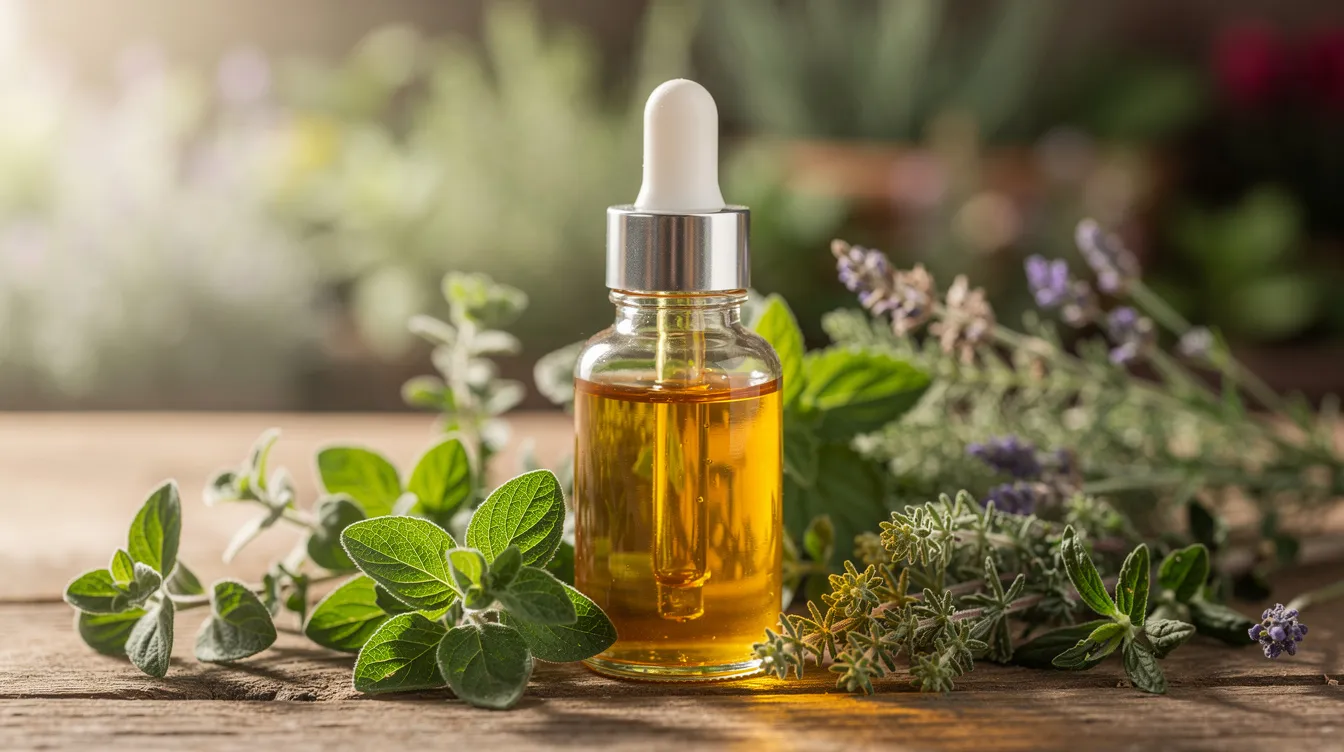
What Does "Oregano Oil Under the Tongue" Actually Mean?
Sublingual use simply means placing diluted drops of oil beneath your tongue, holding them there for 30–60 seconds, then swallowing. People choose this method because the thin tissue under the tongue is rich in tiny blood vessels, allowing active compounds to enter the bloodstream more directly.
- There is an important distinction between culinary oregano oil (mild, used for food flavoring), pure oregano essential oil (highly concentrated, extracted via steam distillation, often labeled for external use), and supplement-grade wild oregano oil specifically formulated for internal use. Only the latter is appropriate for sublingual application.
- The sublingual route delivers oil through the oral mucosa, bypassing part of the digestive process. Sublingual administration bypasses initial digestive breakdown, which may preserve more of the oil's bioactive compounds before they reach the liver.
- Pure oregano essential oil is far too potent to use neat under the tongue and must be significantly diluted in a carrier oil such as MCT, olive oil, or coconut oil. Undiluted oregano essential oil can cause irritation when used sublingually.
- Oregano oil has deep roots in Mediterranean cultures. Ancient Greeks and Romans valued oregano for its aroma and flavor, and oral consumption of oregano oil was common in Mediterranean traditions. In fact, sublingual application of oregano oil reflects cultural herbal practices still alive today-oregano oil is part of family rituals in European and Middle Eastern households. Wild Mediterranean Oil of Oregano continues this heritage as a wild-harvested, pre-diluted option designed for oral and sublingual use.
Why People Use Oregano Oil Sublingually: Core Health Benefits
Scientific evidence supporting oregano oil's benefits mainly comes from laboratory studies, with a growing number of animal trials and a handful of small human studies. That said, the existing evidence helps explain why so many people reach for oregano oil during cold and flu season and beyond.
- Immune support: Carvacrol-rich oregano oil may help the body fight bacteria, including pathogens like E. coli, and defend against seasonal challenges. Its antimicrobial properties extend to fungal organisms, making it a popular natural choice for microbial balance in the mouth and upper airway during flu season.
- Gut health support: Wild oregano is often used for digestive and respiratory wellness. Oregano oil may support gut health by balancing bacteria in the digestive tract and may complement protocols addressing candida overgrowth or occasional bloating-though it is not a substitute for professional medical care.
- Anti-inflammatory and powerful antioxidant properties: Oregano oil is rich in antioxidants, including carvacrol, which may help reduce oxidative stress. Carvacrol in oregano oil may also reduce cholesterol levels and has been linked to benefits beyond antimicrobial action, potentially supporting heart disease risk reduction through its anti inflammatory effects.
- Oral cavity benefits: Sublingual use exposes the mouth and gums directly to oregano oil's antibacterial properties. Thymol, one of oregano oil's key compounds, is already used in commercial mouthwash formulations-placing diluted oregano oil under the tongue may similarly support fresher breath and a cleaner-feeling mouth.
How Oregano Oil Under the Tongue Works in the Body
The basic science is straightforward: the tissue under your tongue is thin and densely packed with capillaries.
- Under-the-tongue use delivers active compounds like carvacrol and thymol directly into tiny blood vessels, allowing quicker entry into circulation compared to swallowing a capsule that must first pass through the stomach and liver.
- This route may be especially helpful when people want rapid support-for example, at the first sign of a scratchy throat or seasonal discomfort. After a few minutes of holding the oil sublingually, swallowing carries the remaining oil into the digestive tract, so you get both systemic and local benefits.
- The oral mucosa and gum tissues are directly exposed to oregano essential oil's antimicrobial properties, which is a meaningful advantage over capsule-only use for anyone concerned about oral health or throat comfort.
- Bioavailability is influenced by dilution, how long the oil is held under the tongue, and individual variability-so effects can differ from person to person. More research is needed, as no published human studies have specifically mapped sublingual oregano oil pharmacokinetics.
Key Active Compounds: Carvacrol, Thymol, and More
Oregano oil is far more than a "spicy" herb. The oregano plant-whether Origanum vulgare or rarer species like Origanum minutiflorum-produces a complex mix of phytochemicals during growth.
- Carvacrol is the primary phenolic compound in high-quality wild oregano oil. It is linked to antimicrobial, anti inflammatory, and powerful antioxidant activity in laboratory and animal research. Oregano oil's antioxidant properties combat oxidative stress at the cellular level. Notably, carvacrol has demonstrated cancer-fighting properties in test-tube studies, showing the ability to inhibit the growth of certain cancer cells.
- Thymol exhibits antimicrobial activity in laboratory studies and plays a supportive, often synergistic role alongside carvacrol in fighting certain bacteria and fungal infections and in protecting cells from oxidative damage. Recent research published in Nature found that both thymol and carvacrol can activate autophagy and mitophagy, suggesting a cellular-protective role relevant to aging and metabolic health.
- Additional compounds like rosmarinic acid, other monoterpenes, and flavonoids round out oregano oil's "phytochemical team," contributing to its broad-spectrum support for immune, respiratory, and digestive wellness. Oregano shares botanical family ties with rosemary, mint, and other aromatic herbs rich in similar protective compounds.
- Wild Mediterranean Oil of Oregano's 75–80% carvacrol content-sourced from Origanum minutiflorum, a species used for high-potency oregano oil-places it among the most concentrated supplement-grade options on the market.

Potential Benefits for Gut Health and Digestion
The gut microbiome influences everything from immunity to mood, and oregano oil attracts interest for its potential to support digestive balance.
- Research suggests that oregano oil may help reduce certain harmful bacteria and yeast-including organisms associated with candida overgrowth-while sparing beneficial microbes when used at appropriate doses. For a deeper dive, see this guide on how to unlock the power of oil of oregano for gut health.
- Sublingual drops that are later swallowed can reach the upper digestive tract directly, which may support a healthier microbial balance in the small intestine-a benefit that capsules alone may deliver more slowly.
- Anecdotal uses include occasional support for gas, bloating, an upset stomach, or a "heavy" feeling after meals. Some people also explore oregano oil for candida as part of a broader protocol. These are traditional uses, not guaranteed outcomes.
- Oregano oil is not a substitute for a diverse, fiber-rich diet, stress management, or professional care for chronic digestive disorders. It works best as a supplement within a broader approach to health.
Can Oregano Oil Under the Tongue Help Relieve Pain and Inflammation?
While oregano oil is not a pain medication, its anti inflammatory properties are drawing attention from researchers and wellness practitioners alike.
- In animal and lab studies, carvacrol reduced inflammatory markers like IL-6, IL-1β, and TNF-α-cytokines commonly tied to joint pain, muscle discomfort, and systemic inflammation. Carvacrol can suppress cellular pathways involved in pain, offering a plausible mechanism for relief.
- Sublingual use might offer quicker systemic exposure than capsules, which some people use for temporary support with minor aches, exercise-related soreness, or joint pain. Oregano oil may help relieve inflammation-induced pain, though human studies at clinical scale are still limited.
- Placing diluted oil under the tongue may also soothe a scratchy throat or irritated gums as the oil contacts local tissues directly-always with the reminder that undiluted essential oil should never be used this way.
- Persistent or severe pain requires medical evaluation. Oregano oil should be positioned as a complementary natural treatment only. For more on this topic, see how oregano oil may support pain and inflammation relief.
Step-by-Step: How to Safely Use Oregano Oil Under the Tongue
Getting started is simple, but precision matters. Here is how to approach sublingual use safely:
- Choose the right product. Select an edible wild oregano oil already blended with a carrier oil-like Wild Mediterranean Oil of Oregano in MCT oil-not a pure aromatherapy oregano essential oil. Always read labels for concentration and dilution guidelines.
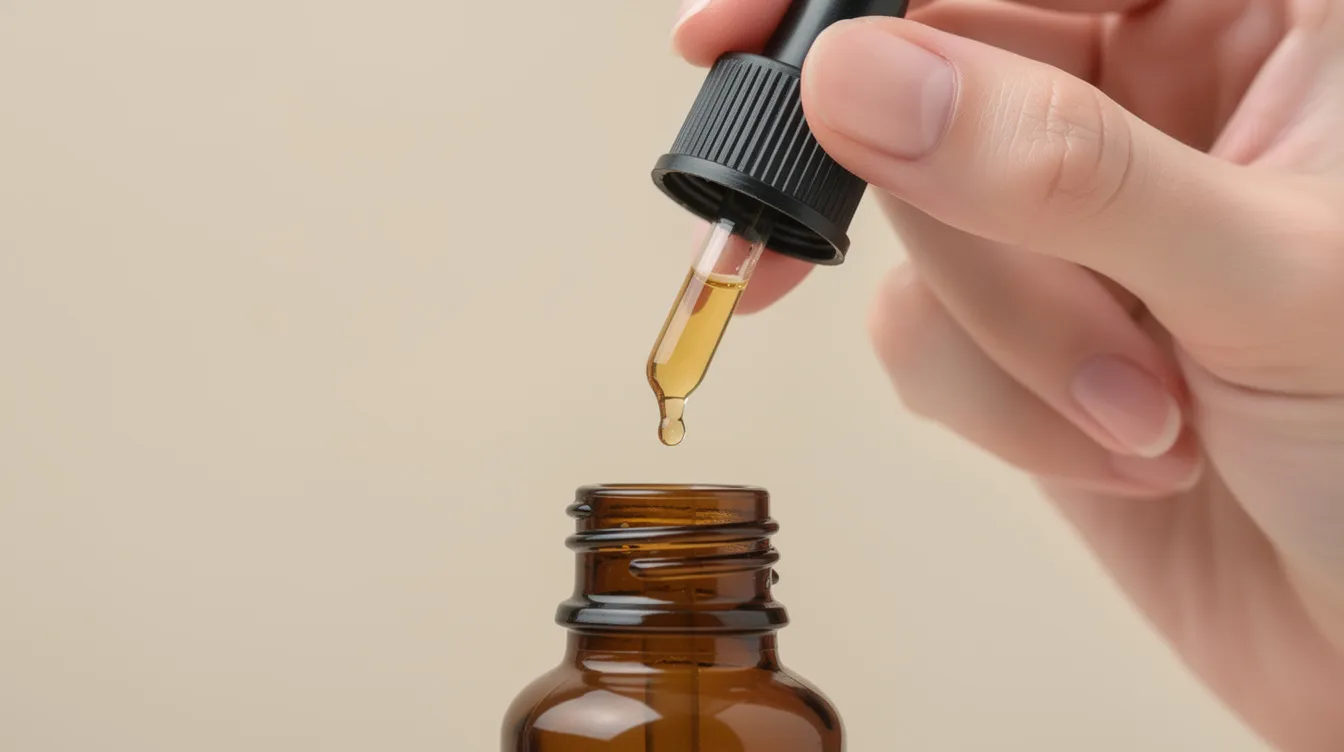
- Start small. Begin with one drop of diluted oregano oil under the tongue once daily. Hold for 30–60 seconds, then swallow. You can gradually work up to a few drops per serving based on comfort and professional input. How much oregano oil you use should always reflect your individual tolerance.
- Use the dropper. Follow the manufacturer's label directions, shake the bottle if indicated, and use the included dropper for precise dosing rather than pouring.
- Chase with water. After swallowing, drink a small glass of water to dilute any remaining intensity and reduce lingering burn or taste. Some people find pairing sublingual oregano oil with a light food helps settle the body.
Dilution, Sensation, and First-Time Safety Tips
Oregano essential oil is potent. Minimizing irritation-especially under the tongue-comes down to proper dilution and expectations.
- A safe starting ratio for concentrate is 1 drop of oregano oil to at least 10 drops of carrier oil. Carrier oils like olive oil, coconut oil, jojoba oil, or MCT oil all work. Wild Mediterranean Oil of Oregano is already 50% diluted in MCT oil, but you can further dilute it with extra carrier oil if the sensation is too strong. Fresh oregano in food is far milder-essential oil is a completely different concentration.
- Common sensations include warmth, tingling, and a strong herbal taste that typically fades within a few minutes. This is normal and not a sign of harm, though the intensity can surprise first-time users.
- Before your first sublingual dose, try a simple skin patch test: place one diluted drop on the inner forearm, wait 15–20 minutes, and check for redness, itching, or burning. If irritation appears on skin, do not proceed sublingually. Undiluted oregano oil can cause irritation when applied topically as well, so dilution is non-negotiable.
- Stop signs: Severe burning in the mouth, swelling of the tongue or lips, difficulty breathing, or rash warrant immediate discontinuation. Seek medical help right away if these occur. For more detailed safety guidance, review these first-time safety tips for oregano oil use.
Who Should Be Cautious or Avoid Sublingual Oregano Oil?
Not everyone should use oregano oil sublingually. Certain health situations call for extra caution-or avoidance altogether.
- Pregnant women should avoid oregano oil due to potential risks, including historical use as an abortifacient. Safety during breastfeeding is poorly studied, so most practitioners advise against internal use in both cases.
- Oregano oil can cause allergic reactions in some individuals. People allergic to herbs in the Lamiaceae family-mint, basil, sage, marjoram-may also react to oregano oil and should proceed only under professional guidance.
- Oregano oil may increase bleeding risk when taken with blood thinners or anticoagulant medications, as it may have mild antiplatelet effects. Discuss this with your prescriber before starting.
- Those managing heart disease, diabetes, autoimmune disorders, or GI diseases should speak with their healthcare provider. Some people may experience an upset stomach or headaches from oregano oil, especially at higher doses. For a broader look at who should exercise caution, see these important considerations.
How to Choose a High-Quality Oregano Oil for Sublingual Use
Quality, purity, and sourcing matter far more for under-the-tongue use than for occasional food seasoning.
- Look for wild-harvested Mediterranean oregano-such as Origanum minutiflorum from Turkey-with a clearly stated carvacrol percentage and third-party testing. The origanum vulgare plant is also widely used, but species and sourcing affect potency. Learn more about what micro-ingredients define a quality oregano oil.
- Avoid products labeled strictly as "aromatherapy" or "for external use only." Instead, choose supplement-grade oregano essential oil preparations explicitly designed for internal use.
- MCT oil as a carrier offers a neutral taste and easy absorption compared with heavier options like jojoba oil or coconut oil. This is the formulation used by Wild Mediterranean Oil of Oregano, making it well-suited for sublingual application.
- Buy from long-standing companies that provide sourcing transparency, usage guidance, and direct customer support. Companies that have been in the herb and supplement space for decades-rather than pop-up brands-tend to offer more reliable products.
How Wild Mediterranean Oil of Oregano Fits Into a Daily Wellness Routine
For readers ready to try oregano oil under the tongue, Wild Mediterranean Oil of Oregano is a practical, premium option with a track record.
- A typical health-conscious adult might integrate 1–3 daily sublingual servings (per label directions) during high-stress periods or cold and flu season, then reduce to lower maintenance use at other times. This flexible approach lets you match your oregano oil use to your body's needs.
- Complementary habits amplify results: hydration, whole-food nutrition, adequate sleep, and light movement all maximize the potential immune, gut health, and antioxidant benefits of oregano oil. Consider pairing sublingual oil with other synergistic supplements for broader support.
- The product has been offered since 1993, is wild-harvested from Turkish mountains, steam-distilled, and blended to about 50% strength for convenience and safety. It is one of the longest-running wild oregano oil brands available.
- Have practical questions? Reach out to the Wild Mediterranean Oil of Oregano team at 1-800-326-2001, earthremedy@earthlink.net, or visit oiloforegano.com for personalized guidance on integrating sublingual oregano oil into your wellness journey.
Frequently Asked Questions About Oregano Oil Under the Tongue
How long does it take to feel the effects of oregano oil under the tongue?
- Most people notice warmth and a strong herbal taste immediately. Systemic effects-like clearer sinuses or a sense of digestive comfort-typically develop within 15–60 minutes after sublingual use.
- For subtle benefits like immune support or improved gut health, consistent use over days or weeks is usually needed. One-time use is unlikely to produce lasting change.
Can I use oregano oil under the tongue every day?
- Many adults use diluted oregano oil daily for short periods-often 7 to 14 days-or in cycles during flu season or periods of increased stress. Long-term, continuous daily use should be discussed with a healthcare practitioner.
- Follow the product label, consider periodic breaks, and pay attention to how your body responds over time. Oregano oil benefits are best realized with mindful, not excessive, use.
Is oregano oil under the tongue safe for children?
- Oregano essential oil is very strong, and sublingual use in children should only happen under direct guidance from a pediatrician or qualified pediatric herbal practitioner.
- Gentler options-like oregano tea or small amounts of the herb in food-may be more appropriate for families with young children.
Can I take oregano oil under the tongue with other supplements or medications?
- Oregano oil is often combined with vitamin C, zinc, or probiotics for broader immune support, but timing and interactions matter. Some supplements share similar pathways, so spacing doses is wise.
- Anyone on chronic medications-especially blood thinners or diabetes drugs-should consult their prescribing clinician before starting sublingual oregano oil, as interactions could affect drug metabolism or bleeding risk.
What can I do if the taste or burning is too strong?
- Increase dilution by adding more carrier oil, shorten the hold time under the tongue, or place drops in a small amount of water or juice instead. Even mixing with a spoonful of honey can help.
- Start with very low doses-even one drop well-diluted-and gradually increase only if comfortable. Sensitivity often improves over a few days of careful use as the mouth adjusts.
Experience the Difference: Try Wild Mediterranean Oil of Oregano Sublingually
If you are curious about the oregano oil benefits described in this guide and want to start with a trusted, high-potency formula, Wild Mediterranean Oil of Oregano is built for exactly this purpose.
- What sets it apart: wild-harvested Origanum minutiflorum from Turkey, 75–80% carvacrol, steam-distilled, and pre-blended 50% with MCT oil for easier and safer sublingual use. It is a powerful antibacterial and powerful antioxidant supplement designed to protect and support your body naturally.
- Convenience: Free shipping within the USA and a proven history since 1993 serving immune, digestive, respiratory, and skin wellness needs-including bacterial and fungal infections, skin infections, nail fungus, and respiratory tract infections.
- Get started today: Visit oiloforegano.com or contact the team at 1-800-326-2001 or earthremedy@earthlink.net for personalized guidance before you begin.
- When used mindfully and safely, sublingual oregano oil can become a simple yet powerful natural ally in your modern wellness journey-supporting faster healing, a stronger immune system, and greater daily resilience.